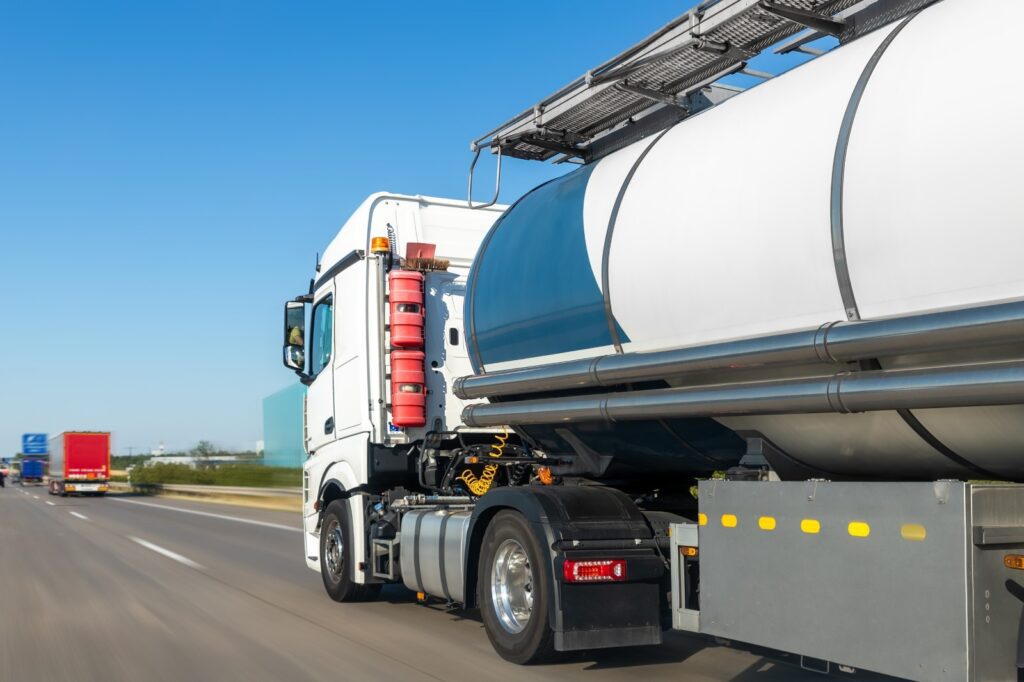
Did you know that businesses in Lancaster can save a lot on fuel costs? They can do this by using a special type of fuel for their off-road vehicles and equipment. With fuel prices going up, finding ways to cut costs is key to staying profitable.
Using off-road diesel is a smart move for businesses that use a lot of heavy machinery and vehicles not for public roads. This fuel is made for equipment like construction machines, farm vehicles, and generators.
Switching to diesel made for off-road use can save Lancaster businesses a lot of money. This can greatly reduce their fuel costs, helping their profits grow.
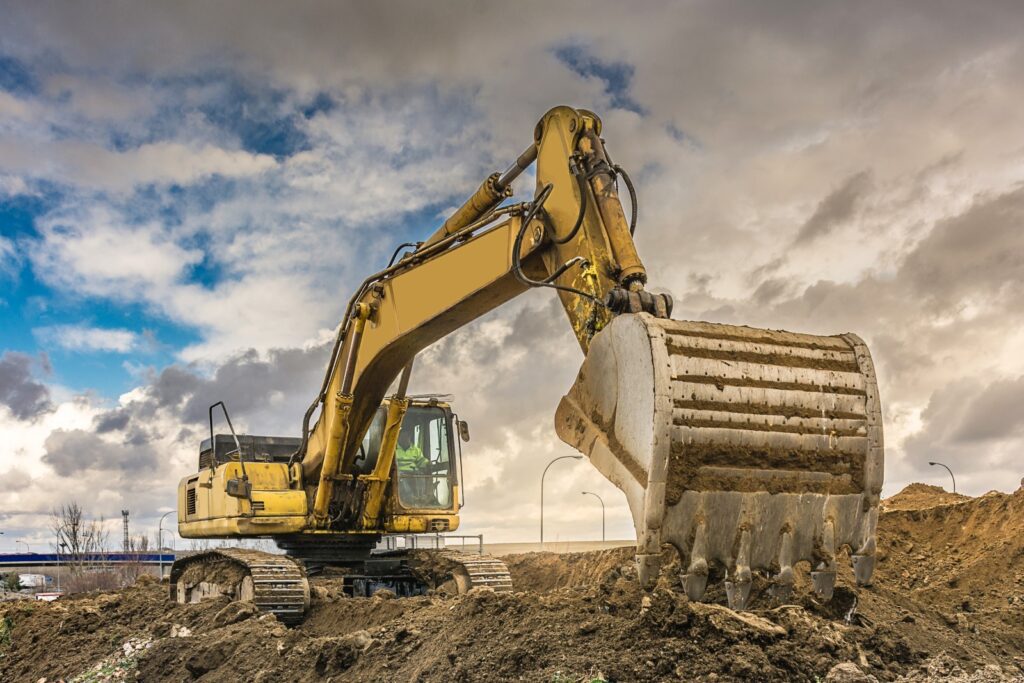
What Is Off-Road Diesel and Why It Matters to Your Business
Off-road diesel is more than just fuel; it’s a way for businesses to save money. Knowing the difference between off-road and regular diesel helps you choose wisely. By using off-road diesel, businesses in Lancaster can cut down on fuel costs.
The Difference Between On-Road and Off-Road Diesel
On-road diesel is for vehicles on public roads, like trucks and buses. Off-road diesel, or exempt diesel fuel, is for off-road use. This includes construction equipment, farm machinery, and generators. The main difference is in how they’re used and the taxes they’re taxed with.
Tax Benefits of Using Exempt Diesel Fuel
Using exempt diesel fuel can save your business a lot of money. Off-road diesel doesn’t have the same taxes as on-road diesel. This means businesses can spend less on fuel. It’s a big plus for industries that use a lot of heavy machinery.
Understanding the Legal Framework for Off-Road Diesel Use
Lancaster businesses need to know the laws about off-road diesel use to save on fuel costs. It’s key to follow the rules to avoid fines and penalties.
Federal Regulations on Exempt Diesel Fuel
The Internal Revenue Service (IRS) controls the tax on diesel fuel. Businesses must follow IRS rules to get tax breaks. They can use off-road diesel for things like heavy machinery not on public roads.

Pennsylvania State Requirements for Businesses
Pennsylvania also has rules for off-road diesel use. The Pennsylvania Department of Revenue and Pennsylvania Department of Transportation watch over these rules. Businesses must follow state laws, including keeping the right records.
Penalties for Misuse and Non-Compliance
Using off-road diesel wrong or not following the rules can lead to big problems. You might face fines, tax bills, and lose your exemptions. It’s important for businesses to know the risks and follow the laws to avoid these issues.
Qualifying Your Lancaster Business for Off-Road Diesel Use
To enjoy the savings of off-road diesel, your Lancaster business needs to qualify. This means knowing which equipment can use it, if your industry fits, and getting the right permits.
Types of Equipment That Can Legally Use Off-Road Diesel
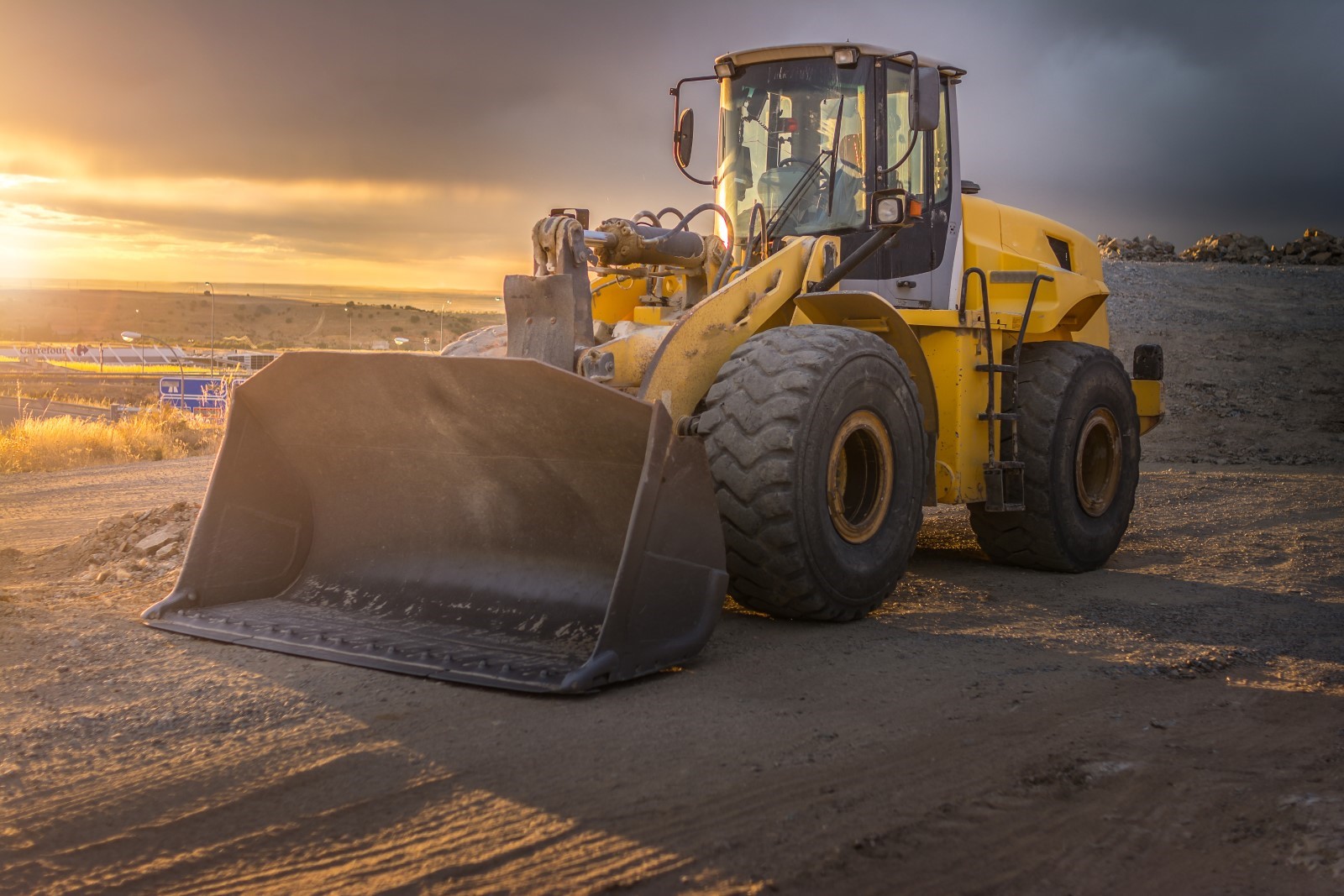
Off-road diesel is for equipment not meant for highways. This includes heavy machinery for construction, farming, and more. Things like bulldozers, tractors, and generators are okay. Make sure your gear fits these rules to follow the law.
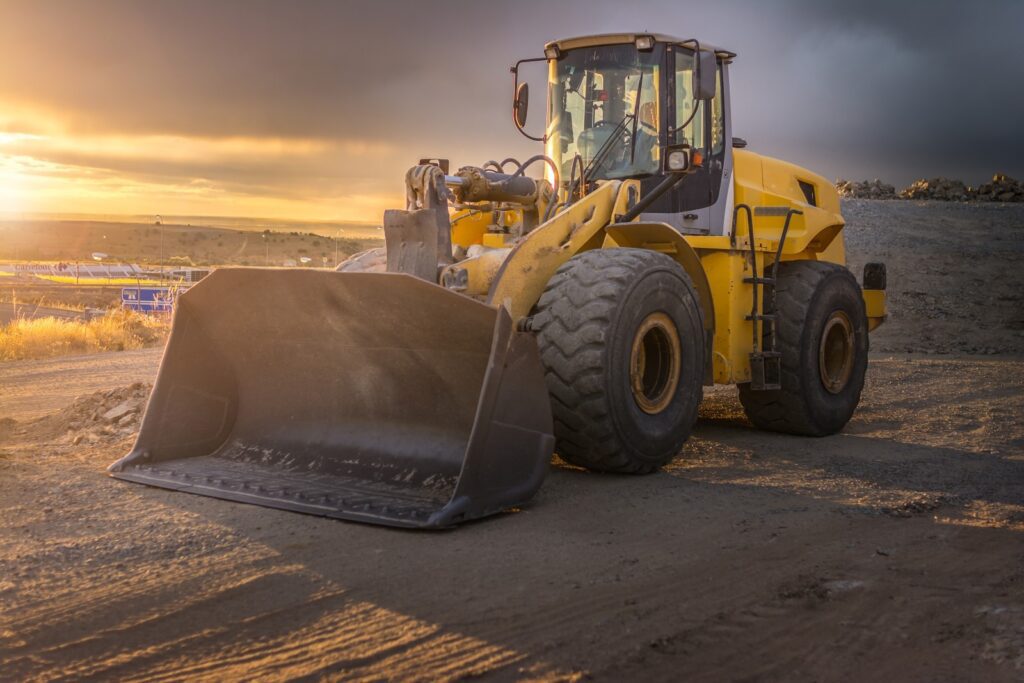
Industries That Benefit Most from Off-Road Diesel
Businesses that use lots of heavy machinery get the most from off-road diesel. This includes construction companies, agricultural businesses, and mining operations. Switching to off-road diesel can cut down fuel costs a lot.
Documentation and Permits Required
To use off-road diesel legally, your business must get the right permits and keep records. You’ll need to register with the state and get an exemption certificate. Also, keep track of your diesel use for audits and to stay compliant.
By doing these things, your Lancaster business can use off-road diesel. This leads to big diesel cost savings.
Calculating Your Potential Fuel Cost Savings with Off-Road Diesel
For Lancaster businesses, figuring out fuel cost savings with off-road diesel is key. Knowing the price gap between regular and off-road diesel helps. You can then estimate savings and look at real examples to decide on off-road diesel.
Average Price Differences Between Regular and Off-Road Diesel
Off-road diesel is often cheaper than regular diesel. The price gap is about 10 to 20 cents per gallon. For big diesel users, this can mean big savings.
Creating a Savings Projection for Your Business
To estimate savings, start with your diesel use. Then, apply the price gap to your total use. For example, if you use 10,000 gallons a month and the gap is 15 cents, you could save $1,500 monthly.
Remember to think about seasonal price changes and tax law updates in your estimate.
Real-World Examples from Lancaster Businesses
Many Lancaster businesses have cut costs by switching to off-road diesel. A construction company saved 18% on fuel. A farm in Lancaster County saved over $5,000 a year.
These stories show the big savings possible with off-road diesel. Knowing your business’s needs helps you choose wisely.
Step-by-Step Implementation in Your Business Operations
Adding exempt diesel fuel to your business needs a few important steps. This ensures a smooth changeover. To get the most savings, using off-road diesel correctly is key.
Setting Up Separate Storage and Handling Systems
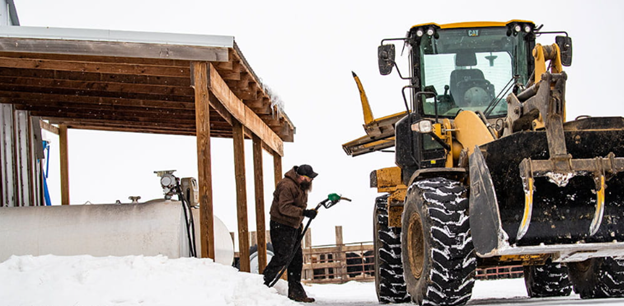
You must have separate tanks and systems for off-road diesel to avoid mixing it with regular diesel. This step is essential for following the rules. Investing in clearly labeled storage tanks and special dispensing gear helps avoid mistakes.
Properly Marking and Tracking Off-Road Diesel Usage
It’s crucial to track off-road diesel use accurately for records and audits. You should set up a detailed tracking system to log the date, time, and amount used. This info is key for calculating savings and proving you’re following the rules.
Training Staff on Compliance Requirements
Your team must know how to handle off-road diesel right. Offer thorough training on correct handling, storage, and dispensing to keep everyone informed. This training stops misuse and lets you enjoy the tax benefits fully.

Maintaining Required Records for Audits
Keeping detailed records is vital for audits and showing you’re following the rules. Store precise records of your off-road diesel buys, use, and storage. Good record-keeping helps manage fuel costs and answers audit questions quickly.
Finding Reliable Off-Road Diesel Suppliers in Lancaster
Finding a good off-road diesel supplier in Lancaster is key to saving money. There are many suppliers out there. It’s important to pick the right one for your business.
Comparing Prices and Delivery Options
When picking a supplier, look at prices and delivery options. Find ones with good prices, flexible schedules, and easy payment terms. Bulk purchasing and contract agreements can help save a lot of money.
Establishing a Long-Term Supply Relationship
Having a long-term relationship with your supplier can be beneficial. Keep in touch, pay on time, and order regularly. This will make your business a top priority for them.
Conclusion: Maximizing Your Fuel Cost Savings Strategy
Using off-road diesel in your Lancaster business can cut down your fuel costs a lot. It’s important to know the legal rules, check if your business qualifies, and figure out how much you can save.
To get the most savings, make sure you use off-road diesel right in your business. This means setting up special storage and handling, training your team, and keeping all the necessary records.
By doing these things and finding good off-road diesel suppliers in Lancaster, you can lower your fuel costs. Start looking into how your business can use off-road diesel today. This is the first step to big savings on diesel costs.