Did you know that cold temperatures can make diesel fuel gel, stopping your equipment and halting work? As winter approaches, it’s essential for Berks County businesses to proactively winterize their off-road diesel tanks to prevent fuel gelling, equipment failure, and costly downtime.
Winterizing your diesel tank is more than just upkeep; it’s essential for your equipment to keep running well. Freezing weather can cause fuel lines to freeze, lower engine performance, and even fail the engine.
By acting early to winterize your diesel tank, you can safeguard your investment. This keeps your operations running smoothly all winter.
The Winter Challenge for Diesel Fuel in Berks County
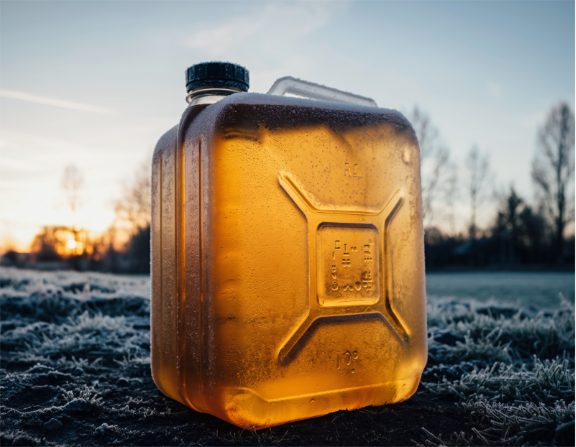
As winter comes, businesses in Berks County face a big challenge. The cold weather can harm diesel fuel systems. This can cause problems with how they work.
Berks County’s Typical Winter Temperature Patterns
Berks County sees a variety of winter temperatures. Some days are mild, while others are very cold. Knowing this helps prepare diesel fuel systems for the winter.
How Cold Weather Affects Diesel Fuel Properties
Cold weather changes diesel fuel in a few key ways. It can cause gelling, waxing, and water problems.
Gelling and Waxing Issues
Diesel fuel can gel or form wax crystals in the cold. This can block fuel filters and mess with engine performance.
Water Condensation Problems
Cold weather makes water in fuel tanks condense. This leads to water buildup. It can cause corrosion and microbial growth, making fuel system care harder.
Understanding Off-Road Diesel in Berks County
Off-road diesel is key for many businesses in Berks County. It’s important to know how it differs from on-road diesel and its uses in local industries.
What Makes Off-Road Diesel Different from On-Road Diesel
Off-road diesel, or dyed diesel, is mainly for off-highway use like construction and farming. It’s taxed differently than on-road diesel because it’s not for driving on highways.
Common Business Applications in Berks County
In Berks County, off-road diesel powers many business needs. It’s used in construction and farming, which are big for the local economy.
Construction Equipment Usage
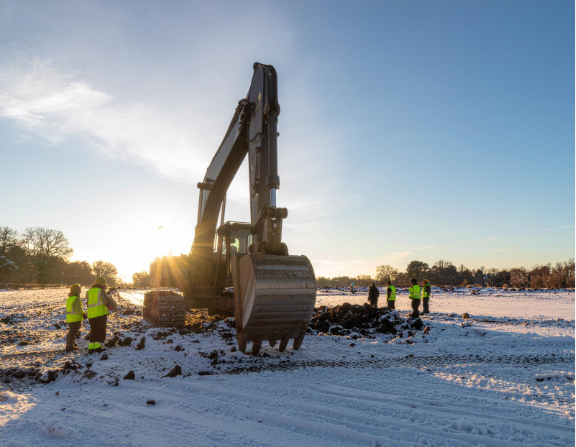
Construction companies in Berks County use off-road diesel for their machines. This includes excavators, bulldozers, and cranes. These are key for building and fixing roads and buildings.

Agricultural Machinery Requirements
Farming businesses also depend on off-road diesel for their equipment. This includes tractors and harvesters. These machines are vital for farming and help the local economy a lot.
Early vs. Late Winterization: Comparing Outcomes
Choosing to winterize your diesel tanks early or late can greatly affect your business. Winterization gets your off-road diesel tanks ready for cold weather. This ensures your equipment works well all winter.
Benefits of Early Preparation
Winterizing early saves money and keeps your equipment reliable. It helps your diesel tank perform better in the cold.
Cost Savings Analysis
Winterizing early saves you from high costs of emergency repairs and last-minute services. This approach can save you a lot of money.
Equipment Reliability Improvements
Early winterization protects your equipment from cold damage. It lowers the chance of breakdowns and keeps things running smoothly.
Consequences of Delayed Action
Waiting too long to winterize can cause big problems. You might face emergency repairs and high costs to your business.
Emergency Repair Scenarios
Not winterizing on time raises the risk of equipment failure. This means expensive emergency repairs that could have been prevented.
Business Disruption Costs
Equipment failures from delayed winterization can stop your business. This leads to lost productivity and revenue. Keeping your fuel in good shape is key to avoiding these issues.
The Cost of Neglecting Winter Diesel Tank Preparation
Not winterizing your off-road diesel tanks can cause expensive damage and downtime. As a business owner in Berks County, knowing the cost of neglect is key.
Equipment Damage Comparison: Protected vs. Unprotected
Unprotected diesel tanks are more likely to get damaged in cold weather, leading to high repair costs. On the other hand, tanks that are winterized can handle harsh winters better. This reduces the chance of equipment damage.
Operational Downtime Financial Impact
Without winterized diesel tanks, businesses might face downtime due to fuel system failures. This downtime can lead to big financial losses. Businesses can’t work efficiently when their tanks aren’t ready for winter.
Case Study: Local Business Recovery Costs
A Berks County construction company didn’t winterize their tanks. This led to equipment damage and downtime. The total cost to fix it was very high, including repair costs and lost work time. This story shows why winterizing is crucial to avoid such big problems.
Essential Winterization Methods Compared
Businesses in Berks County need to look into different ways to winterize off-road diesel tanks. This is key to keep fuel quality and equipment working well during winter.
Fuel Additives: Types and Effectiveness
Fuel additives are important for winterizing diesel tanks. They help fuel flow better and stop it from gelling in cold weather.
Anti-Gel Products
Anti-gel products keep diesel fuel from freezing in cold temperatures. They are great for stopping fuel lines from freezing.
Water Dispersants
Water dispersants handle water in diesel fuel, which is vital in winter. Water can freeze and cause problems.
Tank Insulation Options
Insulating diesel tanks keeps fuel warm and prevents cold issues.
Blanket Systems vs. Permanent Solutions
Blanket systems are easy to use and remove. But, permanent insulation lasts longer and is more complex to install.
Heating Systems for Diesel Storage
Heating systems keep fuel at the right temperature. This makes sure diesel stays fluid and ready to use.
Electric vs. Circulating Systems
Electric heating is simple to set up and keep running. Circulating systems, however, keep fuel temperature even across the tank.
Professional vs. DIY Winterization: Which is Right for Your Business?
Deciding whether to hire a pro or do it yourself for winterizing your off-road diesel tank is key. This choice affects your business in Berks County, impacting both your finances and equipment life.
Cost Comparison Analysis
Professional services might cost more at first, but they offer expertise and fewer mistakes. DIY winterization saves on labor but might need special equipment and training.

Time Investment Requirements
DIY winterization takes a lot of time, from finding the best methods to doing the work. Professional services, though pricier, save time and ensure a job well done.
Long-term Results and Reliability Differences
Professional winterization usually leads to better long-term results because of the expert knowledge. But, a well-done DIY winterization can also keep your diesel tank ready for winter.
Step-by-Step Tank Winterization Process for Off-Road Diesel Berks County Businesses
To avoid downtime, it’s key to follow a detailed guide for winterizing your off-road diesel tank. Winterization is crucial to keep your equipment running well in the cold months.
Pre-Winter Inspection Checklist
First, check your tank for damage or leaks. Look for rust or corrosion that could harm it. Make sure all connections and fittings are tight and not damaged.
Water Removal Techniques
Water in diesel tanks can cause big problems, like fuel line freeze and microbial growth. Use a fuel polishing system or a water separator to remove water. Also, regularly check the tank’s bottom for water.
Additive Application Guidelines
Diesel fuel additives can improve your fuel’s cold flow properties. This prevents it from gelling in cold weather. Choose the right additives for your fuel type and follow the instructions for how much to use.
Monitoring Systems Installation
Think about installing systems that track your fuel’s condition in real-time. These systems can warn you of issues like water or fuel degradation, so you can act fast.
By following these steps, you can winterize your off-road diesel tank right. This keeps your equipment running smoothly and reduces downtime risks.
Protecting Your Business Through Proactive Winterization
If you own a business in Berks County that uses off-road diesel, it’s key to get your diesel tanks ready for winter. This step is vital to keep your equipment working, avoid costly repairs, and keep your business running smoothly.
Winter can be tough on your off-road diesel, causing fuel to gel and equipment to get damaged. To prevent this, you need to winterize your tanks. This means using the right fuel additives, insulating your tanks, and installing heating systems.
Don’t wait until winter is here to start winterizing your diesel tanks. Start now to protect your business from the cold Berks County winters. This way, you’ll keep your operations going strong, keeping your business productive and profitable all winter long.