Did you know that over 40% of fuel-related engine issues in commercial fleets are caused by using the wrong type of diesel fuel? For fleet managers in Harrisburg and Lancaster, understanding the difference between on-road diesel fuel and off-road diesel is not just a technical detail—it directly impacts operational efficiency, maintenance costs, and compliance with state and federal regulations. Making informed decisions about fuel selection, diesel fuel delivery, and monitoring diesel fuel prices helps local fleets reduce risk, control costs, and keep vehicles operating efficiently.
In this comparison guide, we’ll break down the distinctions between on-road diesel fuel and off-road diesel, explore how diesel fuel delivery works in your region, and examine current diesel fuel prices to help local fleet managers make informed decisions.
Understanding Diesel Fuel Types
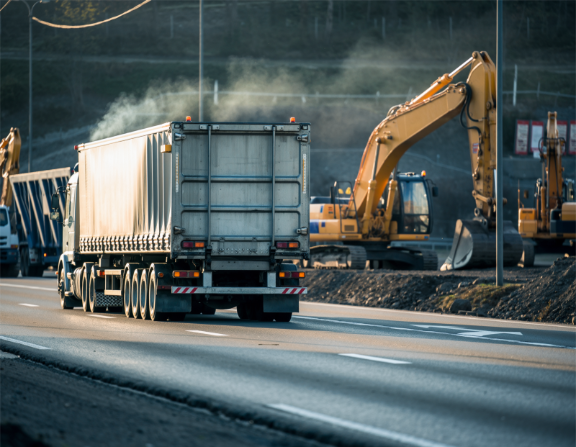
Diesel fuel is not one-size-fits-all. The two primary types for fleet operations are on-road diesel fuel and off-road diesel. Choosing the correct type is essential for engine performance, compliance, and cost efficiency.
On-Road Diesel Fuel
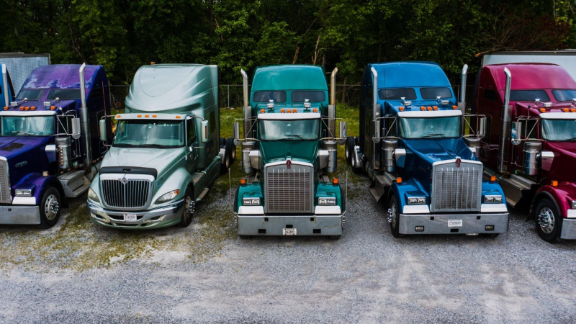
On-road diesel fuel, sometimes called “highway diesel” is specially formulated for vehicles that operate on public roads. This fuel contains lower sulfur content (typically Ultra-Low Sulfur Diesel, ULSD) to meet environmental regulations and reduce emissions.
Key benefits for Lancaster & Harrisburg fleets:
- Meets federal and state emission standards
- Reduces engine wear and maintenance issues
- Compatible with modern diesel engines in trucks, buses, and vans
Off-Road Diesel
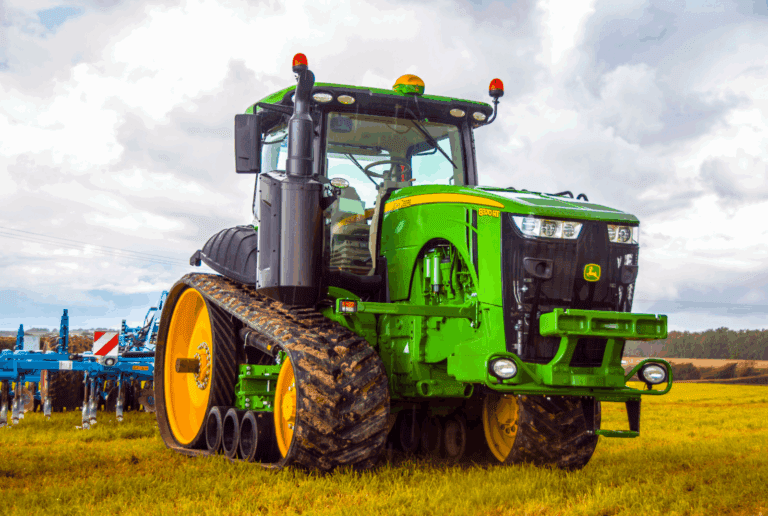
Off-road diesel, sometimes referred to as “red diesel” because of its red dye, is intended for vehicles and equipment not operating on public highways, such as farm machinery, construction equipment, and generators.
differences:
- Higher sulfur content than on-road diesel
- Not taxed for highway use (legal only for off-road applications)
- Using it in on-road vehicles can result in fines and engine damage
How Diesel Fuel Delivery Works in Harrisburg & Lancaster
Fleet managers in the Harrisburg and Lancaster areas often rely on diesel fuel delivery services to streamline operations. Understanding delivery logistics can save time and reduce fuel costs.
Bulk Delivery Options
Most fuel suppliers offer bulk diesel delivery directly to your facility. Benefits include:
- Scheduled deliveries to ensure uninterrupted supply
- Reduced need for on-site storage management
- Potential cost savings through bulk purchasing
On-Demand Delivery
Some providers also offer on-demand diesel delivery for emergencies or unexpected consumption spikes. This is particularly useful for fleet managers handling seasonal operations or large, fluctuating workloads.
Pro Tip: Always confirm that your supplier delivers the correct type of diesel fuel for your vehicles to avoid compliance issues and engine damage.
Comparing Diesel Fuel Prices in Local Markets
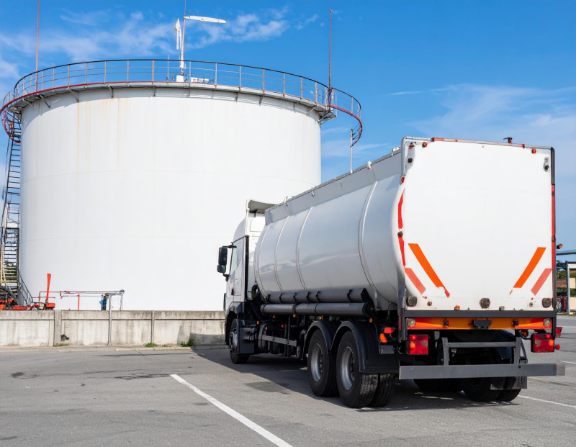
Diesel fuel prices can fluctuate based on market trends, regional supply, and seasonal demand. For fleet managers in Harrisburg and Lancaster, staying informed is critical for budgeting and operational efficiency.
Factors Affecting Diesel Fuel Prices
- Crude Oil Costs: The largest component of diesel pricing; regional diesel follows national and international crude price trends.
- State and Local Taxes: Pennsylvania imposes specific fuel taxes that affect your total cost.
- Supply and Demand: Local construction, agricultural activity, and transportation trends can create temporary price spikes.
Price Optimization Tips
- Lock in bulk purchases when diesel fuel prices are low
- Partner with suppliers offering flexible delivery schedules
- Monitor regional price trends to avoid overpaying during peak periods
Common Questions Answered for Fleet Managers
Can I use off-road diesel in my on-road fleet?
No. Using off-road diesel in on-road vehicles in Harrisburg or Lancaster is illegal and can result in fines. It can also cause engine damage due to higher sulfur content.
How often should I schedule diesel fuel delivery?
Most fleets benefit from weekly or bi-weekly deliveries, depending on fleet size and consumption. Bulk delivery contracts can provide consistent supply and cost savings.
Are there environmental benefits to using on-road diesel?
Yes. Ultra-Low Sulfur Diesel reduces harmful emissions, helping fleets comply with federal EPA standards and improving air quality in Lancaster and Harrisburg.
Choosing the Right Diesel Fuel for Your Fleet
Selecting the correct fuel is crucial for maintaining performance, ensuring compliance, and controlling costs.
Steps for Fleet Managers
- Assess Vehicle Types: Determine which vehicles require on-road versus off-road diesel.
- Evaluate Usage Patterns: Consider mileage, fuel efficiency, and operation routes.
- Select a Reliable Supplier: Work with a supplier offering both diesel fuel delivery and support for local regulations.
- Monitor Diesel Fuel Prices: Track trends to budget effectively.
Tips for Local Compliance
- Keep records of fuel deliveries and usage
- Label storage tanks clearly to avoid mixing fuels
- Train staff on the differences between diesel types
Conclusion
For fleet managers in Harrisburg and Lancaster, PA, understanding the differences between on-road diesel fuel and off-road diesel is not optional, it’s essential for operational efficiency, regulatory compliance, and cost management. By partnering with trusted suppliers for reliable diesel fuel delivery and monitoring diesel fuel prices, local fleets can optimize performance while reducing risks associated with using the wrong fuel type.
By partnering with trusted suppliers for reliable diesel fuel delivery and monitoring diesel fuel prices, local fleets can optimize performance while reducing risks associated with using the wrong fuel type. Contact us today to ensure your fleet stays efficient and compliant.