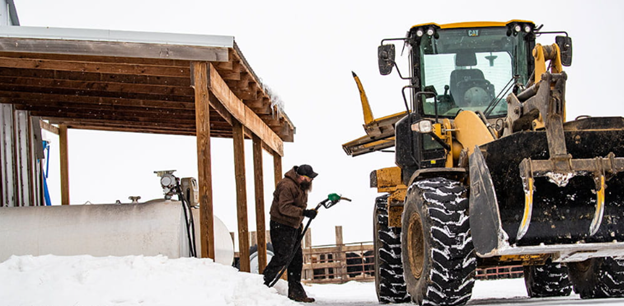
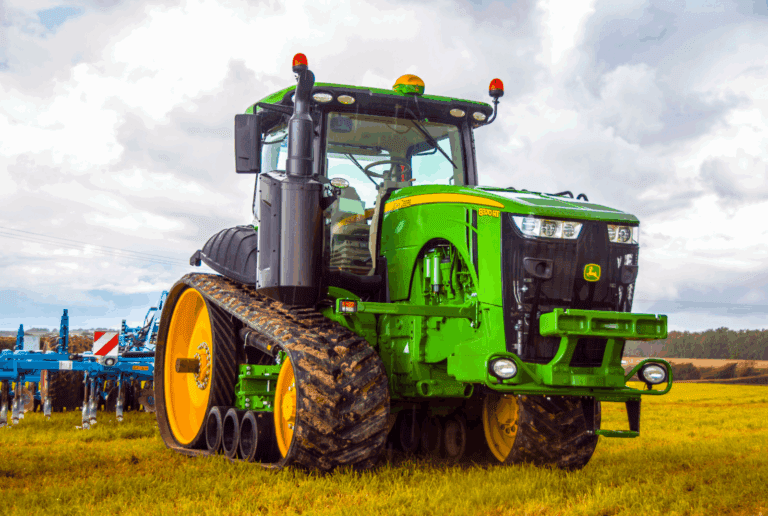
Are you ready for the cold winter months? Businesses in Lebanon County must protect their winter diesel equipment to keep operations running smoothly. Using the right diesel fuel additives ensures off-road diesel Lebanon County machinery performs efficiently even as temperatures drop.
Freezing temperatures can harm diesel equipment. Fuel can gel, and engines may struggle. Knowing how to protect your machinery is key.
Choosing the right diesel fuel additives is crucial. They help keep your equipment running well in the cold. By being proactive, you can avoid downtime and keep your business productive.
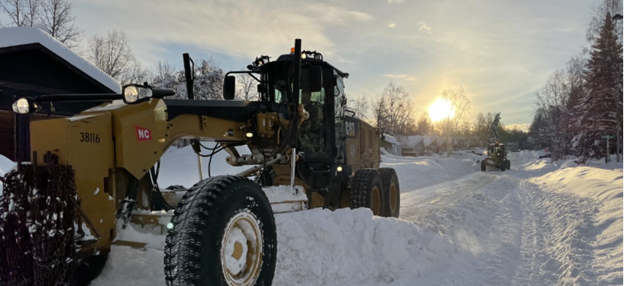
Understanding Cold Weather Challenges for Diesel Equipment
Winter in Lebanon County brings challenges for diesel equipment operators. As temperatures drop, off-road diesel equipment’s performance and reliability suffer.
Lebanon County’s Winter Climate Patterns
Lebanon County has a continental climate with cold winters. It sees low temperatures and a lot of snow. Businesses need to take steps to winterize their diesel equipment.
How Sub-Freezing Temperatures Affect Diesel Fuel
When it’s below freezing, diesel fuel can gel or become cloudy. This can clog fuel filters and make equipment unusable. It’s important to know how this affects equipment in winter.
The Science Behind Diesel Fuel Gelling
Diesel fuel gelling happens because of the fuel’s physical properties and how it acts in cold. Diesel fuel is a mix of hydrocarbons. Its performance in cold is greatly affected by its makeup.
What Causes Diesel to Gel in Cold Temperatures
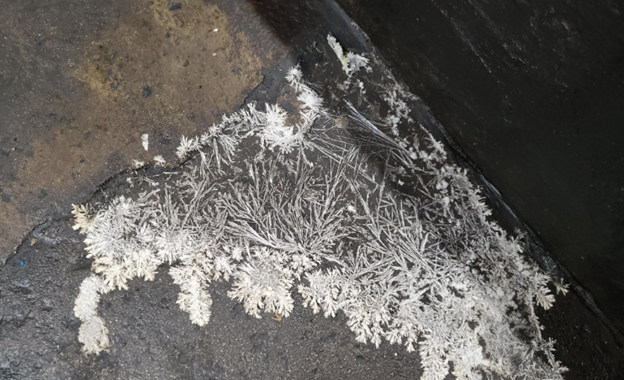
When diesel fuel gets cold, paraffin wax crystals start to form and stick together. These crystals can block fuel filters and lines. This makes equipment malfunction or not start at all. Knowing how these crystals form is key to preventing gelling.
Cloud Point vs. Pour Point: Critical Thresholds
Two key temperatures are the cloud point and pour point. The cloud point is when wax crystals start to form, making the fuel look cloudy. The pour point is when the fuel turns semi-solid and can’t be poured. Using additives can lower these points, helping diesel fuel flow better in cold and protecting your equipment.
Essential Winterization Steps for Off-Road Diesel Equipment
To keep your off-road diesel equipment running smoothly during winter, a thorough winterization process is key. This involves several critical steps. They help prevent damage from cold temperatures and ensure your machinery works well all winter.
Pre-Winter Equipment Inspection Checklist
Before winter starts, it’s vital to inspect your off-road diesel equipment thoroughly. This inspection should check various parts to find any issues that cold weather might make worse.
Fuel System Components to Examine
Look over the fuel system for wear or damage signs. Check fuel lines for cracks or leaks. Make sure the fuel filter is clean and works right. Using winterized diesel fuel with anti-gel additives can also stop fuel lines from freezing.
Battery and Electrical System Preparation
Check your battery’s charge and the terminals’ condition. Cold weather can really cut down battery performance. It’s smart to use a battery warmer or make sure your battery is fully charged before it gets cold.
Proper Storage Techniques for Seasonal Equipment
For equipment stored during winter, using the right storage techniques is crucial. Store it in a dry, protected spot to keep it safe from harsh weather. Use a fuel stabilizer to stop fuel from degrading, and lubricate moving parts to prevent rust.

By taking these essential winterization steps, you can protect your off-road diesel equipment from Lebanon County’s winter. This ensures it stays operational and ready for use when needed.
Effective Diesel Fuel Additives for Winter Protection
To keep your diesel equipment safe in winter, knowing about diesel fuel additives is key. These additives help fight cold weather problems like fuel gelling and water buildup. These issues can harm your equipment’s performance and lifespan.
Anti-Gel Additives: Types and Applications
Anti-gel additives are vital for winter protection. They prevent diesel fuel from gelling at low temperatures. This ensures your equipment runs smoothly, even in freezing conditions. There are many types, including ones for conventional and biodiesel fuels.
Choosing the right anti-gel additive depends on your equipment and the climate. Some are for very cold temperatures, while others work better in milder winters.
Water Dispersants and Their Importance
Water dispersants are also crucial for winter protection. They keep water from gathering in the fuel system, which can freeze and damage engines. This is especially important in cold weather.
Choosing the Right Additives for Your Equipment
Choosing the right diesel fuel additives involves a few steps. First, identify your equipment’s winter challenges, like fuel gelling or water buildup. Then, pick additives that solve these problems.
Dosage Calculations and Timing
Following the manufacturer’s dosage and timing instructions is key. Too little, and your equipment may not be protected enough. Too much can cause problems. Additives should be applied before cold weather starts for best results.
Compatibility Considerations
It’s vital to ensure additives are compatible with your equipment. Some may not work with certain engines or fuel systems. Always check the manufacturer’s recommendations and compatibility charts before choosing.
Off-Road Diesel Lebanon County: Local Supplier and Resource Guide
Keeping your off-road diesel equipment warm is vital, especially in Lebanon County. It’s important to have the right tools to protect it from the cold. As a business owner, making sure your equipment is well-maintained and fueled is crucial.
Emergency Procedures for Gelled Fuel Situations
Diesel fuel gelling in cold weather can stop your operations. Knowing how to spot and fix gelled fuel is key. It helps cut down on downtime and keeps your equipment safe.
Identifying Symptoms of Gelled Fuel
Gelled diesel fuel shows up in a few ways. You might find it hard to start the engine or see a drop in performance. In bad cases, the engine might fail. You could also notice your equipment is hard to run or that the fuel filter is blocked.
Step-by-Step Recovery Methods
To fix gelled fuel, you need to thaw it and get your equipment working again. This process involves careful steps to make sure everything runs smoothly.
Indoor Thawing Techniques
Putting your equipment in a warm spot can thaw the fuel. Use indoor thawing to let the equipment sit in a heated area. This way, the fuel will thaw and be ready to use again.
Field Recovery Options
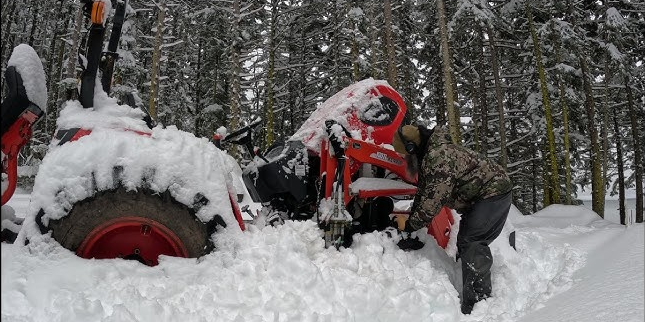
Not always can you move the equipment indoors. For outdoor situations, use portable heaters or special thawing tools. These warm the fuel in the tank or lines directly.
When to Call for Professional Assistance
If you can’t thaw the fuel or if your equipment is badly damaged, get help. Experts can help get your equipment running again. This cuts down downtime and keeps your business going.
Conclusion: Protecting Your Investment Through Proper Winter Preparation
As a business owner in Lebanon County, keeping your off-road diesel equipment safe from winter is key. Cold weather can be tough, but with the right steps, you can keep your equipment working well. This way, your business stays on track all season long.
Using the right diesel fuel additives, like anti-gel, and switching to winterized diesel helps a lot. Also, regular checks and the right storage are crucial to avoid damage. These steps help keep your equipment in top shape.
When looking for off-road diesel in Lebanon County, pick a trusted supplier with winterized diesel. Also, talking to local maintenance experts for cold weather prep is a good idea. They can help make sure your equipment is ready.
By being ready for winter and knowing how to handle gelled fuel, you can avoid long stops. This keeps your business running smoothly, even when it’s cold. Proper winter prep is essential for your equipment’s safety and your business’s success.