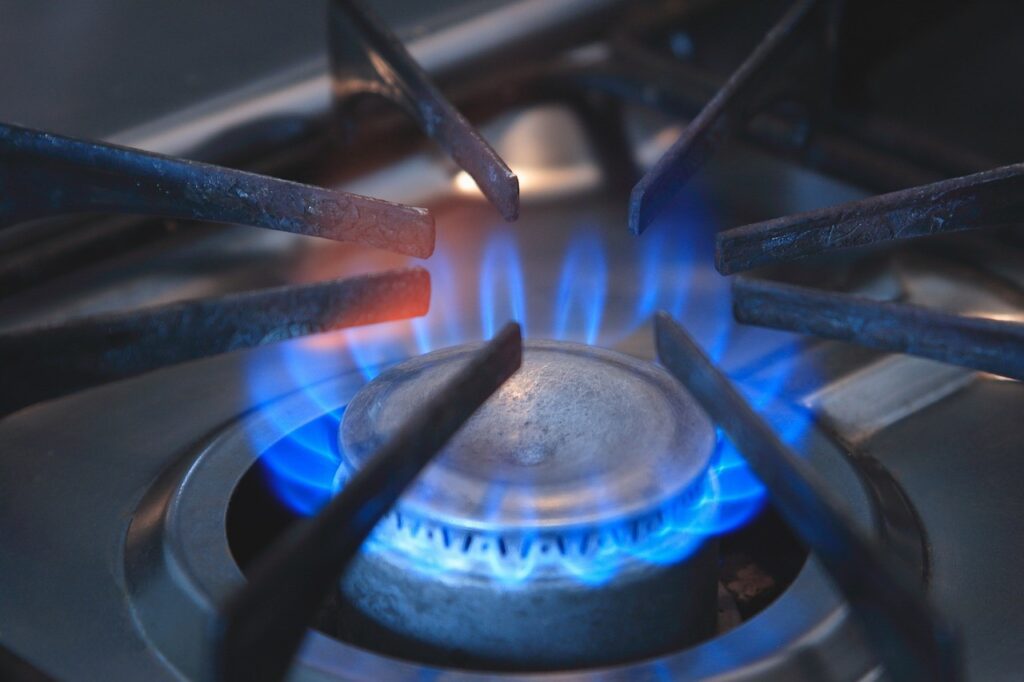
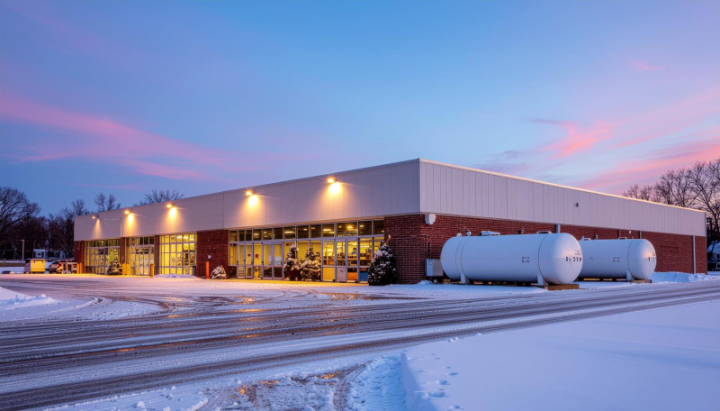
As the world grapples with the urgent challenge of climate change, the search for effective and sustainable energy sources has never been more crucial. Propane emerges as an unexpected green fuel, yet viable source compared to other fossil fuels. It may be overshadowed by widely known resources like solar and wind, but propane significantly stands out for its unique qualities and benefits to the environment. It can significantly reduce emissions of greenhouse gases and can support cleaner combustion processes; therefore, it is gaining a lot of attention from consumers and businesses alike. As propane services expand and innovate, understanding its role in the transition to a greener energy landscape becomes essential for anyone invested in a sustainable future.

Propane: A Sustainable Solution for Reducing Carbon Emissions
The world deals with the pressing need to fight against climate change, and innovative solutions to lowering carbon emissions have become dominant. Among the solutions, propane tends to stand out as it is clean-burning and offers significant benefits to the environment. The essential energy source plays a crucial role in minimizing greenhouse gas emissions when compared to traditional fossil fuels, making it a great candidate in battling climate change.
One significant advantage of promise is its small carbon footprint when used in heating, cooking, and powering vehicles. When it combusts, propane produces fewer carbon dioxide (CO₂) emissions compared to gas and diesel, which helps minimize global warming effects. Many are putting their efforts towards transitioning to sustainable energy sources, and propane can be easily incorporated into existing practices, making the transition from carbon-intensive fuels smooth. This ease of adaptation is crucial for industries looking to lower their emissions while maintaining efficiency and reliability.
In addition, propane positions as a versatile energy source that can work in cohesion with renewable energy sources. For instance, during periods of high demand or when solar and wind resources are insufficient, propane can provide a reliable backup power source. This flexibility helps stabilize energy supply while facilitating the increased integration of renewables into the energy mix. By incorporating propane alongside cleaner energy technologies, communities can enhance their resilience and further advance their commitment to sustainability.
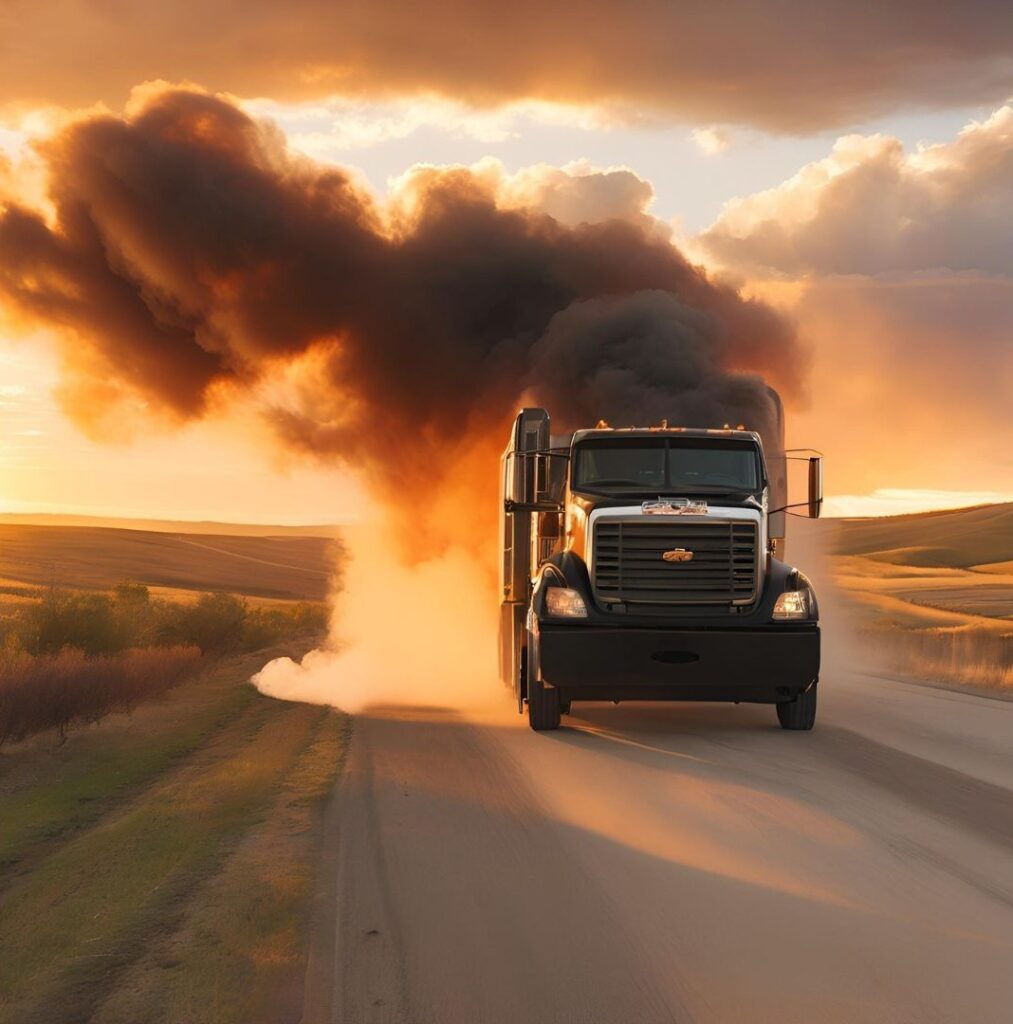
The Role of Propane in Mitigating Climate Change: A Closer Look
As the world grapples with the urgent need to combat climate change, the search for sustainable energy sources has taken center stage. Among the alternatives being explored, propane emerges as a compelling option—often classified as a green fuel due to its lower carbon emissions compared to traditional fossil fuels. Propane, a byproduct of natural gas processing and crude oil refining, is gaining recognition not only for its efficiency but also for its potential to reduce greenhouse gas emissions when used in various applications.
Propane’s critical advantage as green fuel comes from its versatility. Propane can be used for heating, cooking, and even fueling vehicles, providing suitability for residential and commercial purposes alike. For heating applications, propane generates fewer pollutants compared to oil or coal, which leads to cleaner air quality. Its applications in agriculture, such as powering irrigation systems and heating greenhouses, further illustrate how propane can support sustainable practices. By transitioning to propane, farmers can reduce their carbon footprints while maintaining productivity—a crucial aspect amidst shifting climate patterns.
Moreover, the use of propane helps to bridge the gap toward a lower-carbon future, particularly in regions that rely heavily on fossil fuels. As communities strive to adopt cleaner energy solutions, propane provides an immediate alternative while more extensive technologies, like solar or wind, are still being developed or deployed on a large scale. This transitional role is vital; propane can be integrated into existing infrastructure, making it easier for sectors like transportation to reduce emissions quickly. Future developments in propane technology and distribution could further enhance its role as a clean energy source, paving the way for broader acceptance and use.
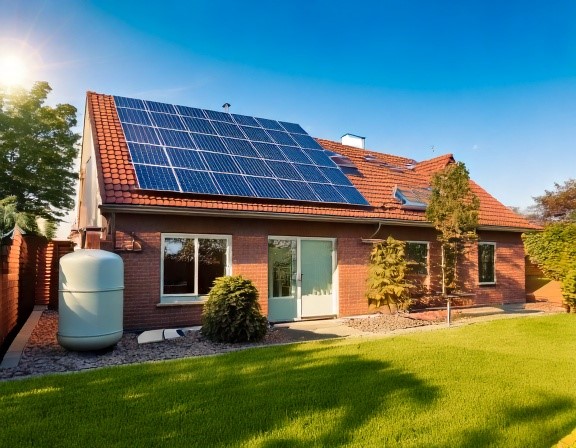
Exploring the Renewable Energy Potential of Propane in the Fight Against Climate Change
As the world grapples with the urgent need to address climate change, the search for sustainable energy solutions has intensified. Sitting within a list of options, propane is a promising candidate throughout the landscape of renewable energy. Often labeled as a green fuel, propane possesses unique attributes that can enhance its role in mitigating greenhouse gas emissions while providing a reliable energy source. Unlike traditional fossil fuels, propane generates significantly lower carbon emissions when burned, making it an attractive choice for both residential and commercial applications.
One of the most significant advantages of propane is its versatility. It can be utilized across various sectors, including heating, transportation, and even electricity generation. In rural areas where natural gas infrastructure might be lacking, propane serves as a practical alternative that can help reduce reliance on more polluting energy sources. Furthermore, advancements in propane technology, such as propane-powered vehicles and appliances, streamline the transition to cleaner energy while maintaining convenience and performance for consumers.
Moreover, the development of renewable propane—derived from biomass sources or through synthetic means—holds even greater promise. This evolving form of propane can further decrease the carbon footprint associated with energy use while complementing existing infrastructure. By promoting policies that encourage the production and utilization of renewable propane, we can foster a circular economy that not only reduces emissions but also supports job creation in emerging energy sectors.

The Eco-Friendly Advantages of Embracing Propane as a Green Fuel Option
As the world increasingly turns its attention towards sustainable energy solutions, propane emerges as a viable green fuel option, often overlooked in the broader discourse on eco-friendly energy sources. Working as a clean-burning hydrocarbon, propane releases significantly fewer greenhouse gases and makes an excellent alternative compared to other greenhouse gases for residential and commercial applications alike. When propane burns, it emits less carbon dioxide, nitrogen oxides, and particulate matter, which yields better air quality and a minimized carbon footprint. This characteristic positions propane as an extremely appealing energy source for businesses and homes that want to reduce environmental impact while still having their needs provided for.
Propane is also energy-efficient in addition to possessing a superior emission profile. Its high-energy content means less fuel is needed to produce the same amount of energy, especially when compared to fuels like gas or coal. This efficiency translates into reduced fuel consumption, leading to lower emissions and promoting an overall greener energy cycle. Many propane-fueled appliances, such as water heaters, furnaces, and stoves, come designed with efficiency in mind so users can minimize waste while simultaneously maximizing their energy use. By adopting propane as a primary energy source, consumers can make significant strides toward achieving their sustainability goals without sacrificing performance or convenience.
Another important factor to consider when discussing the eco-friendly advantages of propane is its versatility. Propane is used for an array of applications like heating homes, cooking, and powering agricultural equipment. This adaptability allows businesses and homeowners to transition to a greener fuel source in multiple areas of their daily operations, amplifying the positive environmental impact. In addition, propane’s infrastructure is well-established, with an expansive distribution network that ensures accessibility in both urban and rural areas, making it an accessible option for many.