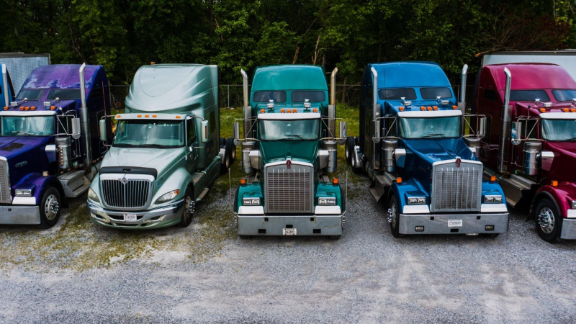
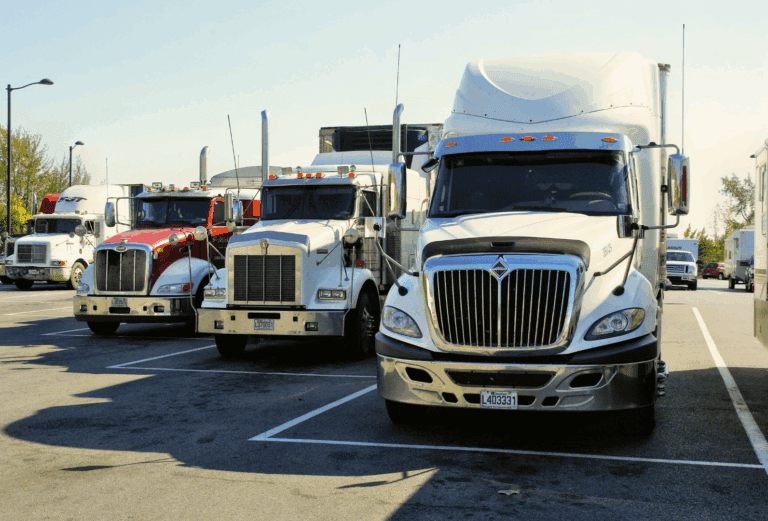
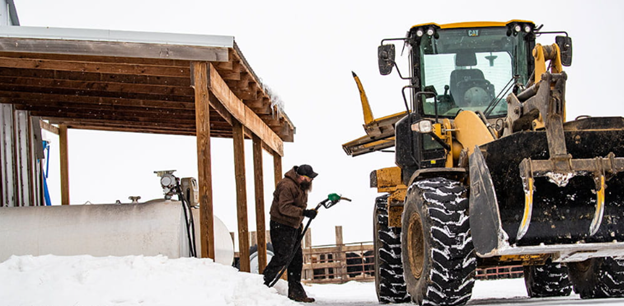
Did you know that over 30% of fleet downtime is caused by inefficient fuel management? For fleet managers in Lancaster and Harrisburg, having a reliable on-road diesel fuel delivery system can dramatically improve operations, save money, and keep vehicles running smoothly.
In this educational guide, we’ll explore how on-road diesel fuel delivery works, why it’s beneficial for local fleets, and how Lancaster and Harrisburg companies can optimize their fueling processes.
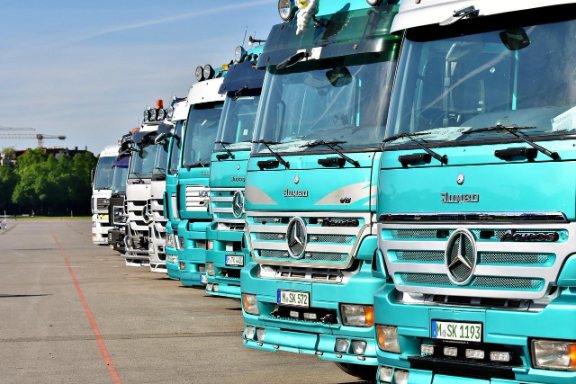
What is On-Road Diesel Fuel Delivery?
On-road diesel fuel delivery refers to the process of supplying diesel fuel directly to fleet vehicles at a specific location—typically your garage, yard, or commercial site. This service eliminates the need for staff to refuel at gas stations, saving time and improving operational efficiency.
How It Works
- Scheduling: Fleet managers set regular delivery times based on usage patterns.
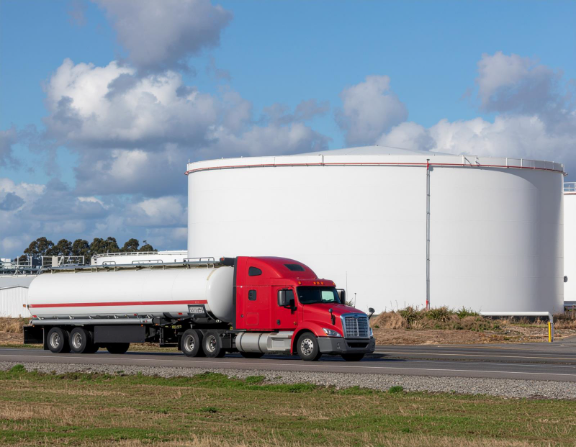
- Delivery: Certified fuel trucks transport ULSD (Ultra-Low Sulfur Diesel) directly to your tanks.
- Monitoring: Some suppliers provide real-time delivery tracking, usage reports, and fuel management tools.
Key Advantages
- Reduces vehicle downtime
- Ensures accurate fuel accounting
- Minimizes labor and transportation costs
- Provides consistent fuel quality and compliance
Benefits of On-Road Diesel Fuel Delivery for Lancaster & Harrisburg Fleets
Reliable on-road diesel fuel delivery is not just convenient—it offers strategic benefits for fleet operations in Pennsylvania.
Increased Efficiency
Direct-to-site delivery saves your drivers time, allowing them to focus on routes instead of refueling. For busy fleets in Harrisburg and Lancaster, this can translate into more completed trips per day.
Cost Management
With regular deliveries, fleet managers can lock in diesel fuel prices, take advantage of bulk rates, and avoid price fluctuations at local pumps. Tracking usage also helps reduce waste and fuel theft.
Compliance & Safety
ULSD delivered through professional services meets federal and state regulations. Using on-road diesel fuel delivery reduces the risk of misfuelling and ensures your fleet stays compliant with Pennsylvania laws.
Common Questions About On-Road Diesel Fuel Delivery
How often should deliveries occur?
Delivery frequency depends on fleet size and consumption. Most medium-sized fleets in Lancaster and Harrisburg benefit from weekly or bi-weekly deliveries.
Can small fleets use delivery services?
Absolutely. Many providers accommodate small fleets with flexible, scheduled deliveries to suit varying needs.
How is fuel quality maintained?
Professional suppliers test and maintain their diesel for ULSD standards, preventing contamination and protecting engines.
Tips for Optimizing Your Diesel Fuel Delivery
Track Your Usage
Use fleet management software or simple logs to monitor fuel consumption and anticipate delivery needs. This ensures your fleet is never under- or over-fueled.
Partner With a Local Supplier
Working with a supplier in Lancaster or Harrisburg ensures faster response times, lower transport costs, and tailored service.
Plan for Emergencies
Keep backup arrangements for unplanned demand spikes. On-demand delivery options are ideal for construction projects, seasonal spikes, or urgent operational needs.
Why Local Fleets Should Consider On-Road Diesel Fuel Delivery
For fleet managers in Lancaster and Harrisburg, on-road diesel fuel delivery is more than a convenience—it’s a smarter operational strategy. By investing in a delivery service:
- Vehicles spend more time on the road, less at pumps
- Fuel costs are predictable and manageable
- Compliance with environmental regulations is maintained
- Fleet managers gain more control over operations and reporting
Conclusion
Efficient fueling is critical for keeping fleets in Lancaster and Harrisburg running at peak performance. On-road diesel fuel delivery saves time, reduces costs, and ensures compliance with federal and state regulations.
By choosing a trusted local supplier and implementing best practices for fuel management, fleet managers can focus on their core operations while keeping their vehicles fueled, safe, and ready for the road.