In an era where self-sufficiency and sustainability are gaining paramount importance, many are turning to off-grid living as a viable alternative to traditional lifestyles. As we explore the various tools and resources that can contribute to a successful off-grid survival plan, one fuel source stands out: propane. Known for its versatility and efficiency, propane can significantly enhance your off-grid experience, whether you’re cooking meals, heating your home, or powering essential equipment. But what exactly does incorporating propane into your off-grid survival strategy entail? In this article, we’ll delve into the multifaceted benefits of propane use, the role of propane services, and how this energy source can be seamlessly integrated into your self-sufficient lifestyle. Whether you’re a seasoned survivalist or just beginning your off-grid journey, understanding the potential of propane can empower you to make informed decisions for a sustainable future.

Essential Tips for Using Propane in Your Off-Grid Setup
When setting up an off-grid survival plan, many individuals and families are turning to propane as a reliable energy source. Propane is favored for its versatility, efficiency, and availability, making it an excellent option for cooking, heating, and powering appliances in remote locations. However, to maximize its benefits while ensuring safety and efficiency, it’s vital to understand some essential tips for using propane appropriately in your off-grid setup.
First and foremost, proper storage and usage of propane tanks are crucial for safety. Always ensure that your propane tanks are kept upright and in a well-ventilated area to prevent any buildup of gas. It’s also advisable to check for leaks regularly by inspecting hoses and connections. A simple mixture of soap and water can help you identify any leaks; if you see bubbles forming, it’s time to tighten the connections or replace the faulty components. Additionally, invest in a quality regulator to maintain consistent pressure, ensuring that your appliances run smoothly and efficiently.
Another key aspect is to consider the efficiency of your propane appliances. When selecting devices such as stoves, heaters, or generators, look for units designated as energy efficient. These models typically consume less fuel, helping you extend the lifespan of your propane supply. Additionally, planning your usage by grouping tasks can help conserve propane. For example, cooking multiple meals at once or scheduling heating times when it’s necessary can significantly decrease your overall consumption and ensure you have enough fuel to last through emergencies or essential activities.

Lastly, always have a backup plan in your off-grid survival plan. This could include having alternative fuel options or a way to store additional propane safely. Evaluate your propane supply needs during peak usage seasons and invest in additional tanks to prevent running out during critical times. Combining propane with other renewable energy sources, such as solar or wind, can create a more resilient energy system and reduce dependence on a single fuel source. By following these tips, you can enjoy the advantages of propane while ensuring safety and sustainability in your off-grid lifestyle.
Safety Precautions When Utilizing Propane for Off-Grid Living
When embracing off-grid living, propane can be an invaluable resource, offering energy for cooking, heating, and even powering appliances. However, the use of propane comes with its own set of safety considerations that are paramount for anyone looking to incorporate this fuel into their off-grid survival plan. A fundamental step in ensuring safety is understanding the properties of propane itself. As a colorless and odorless gas, propane is typically mixed with a compound that has a distinct smell, often compared to rotten eggs, to aid in leak detection. Familiarizing oneself with this odor can help identify potential leaks before they lead to serious hazards.
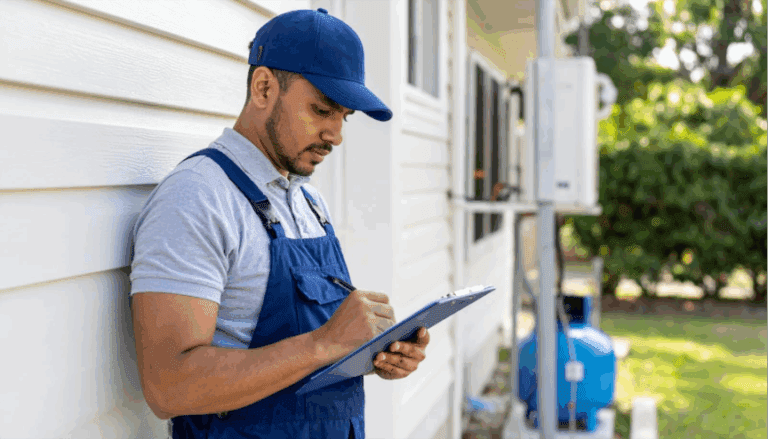
Proper storage of propane is crucial in reducing the risks associated with its use. Propane tanks should always be stored outdoors in a well-ventilated area, away from any ignition sources and extreme temperatures. It’s wise to keep tanks upright and secure to prevent them from tipping over. Regular inspections of the tanks and connections can help identify wear and tear or any signs of corrosion. If any leaks are suspected, it’s essential to turn off the gas supply immediately, evacuate the area, and consult a professional for assistance.
In addition to safe storage and monitoring, having a robust emergency plan in place is integral to any off-grid survival plan. This includes ensuring that all household members know how to respond in the event of a propane leak or fire. Investing in quality smoke and carbon monoxide detectors can provide an added layer of security, alerting you to dangers that may arise from propane use. It’s also important to keep a fire extinguisher readily available and ensure that everyone in your household is familiar with how to use it effectively.

Top Propane Appliances for Off-Grid Survival
When it comes to building an off-grid survival plan, incorporating propane appliances can significantly enhance your self-sufficiency and resilience. Propane offers a reliable and efficient energy source that serves multiple purposes, making it an ideal choice for various off-grid scenarios. From cooking to heating and even powering essential tools, these appliances can help ensure you’re well-equipped to thrive in a self-reliant lifestyle.
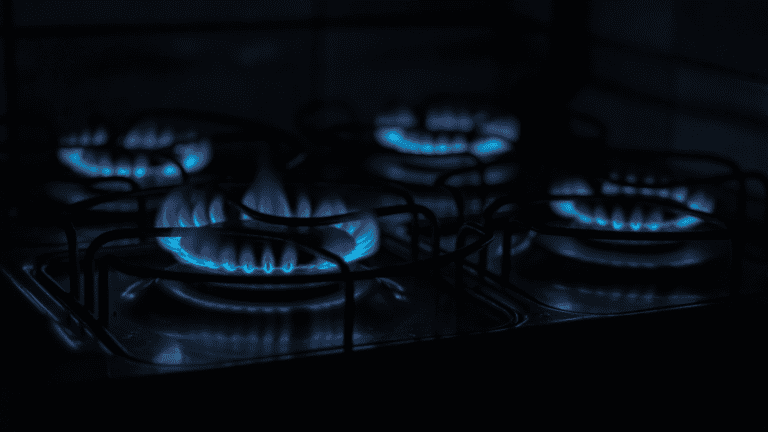
One of the most valuable propane appliances for off-grid living is the propane stove. Unlike electric stoves, which are dependent on a power grid, propane stoves can be used anytime, anywhere, making them perfect for cooking meals in remote locations. Many models are portable and compact, which is a crucial benefit when considering space limitations. In addition, propane grills are popular for outdoor cooking, providing the ability to prepare delicious meals while enjoying the natural surroundings of an off grid setting.
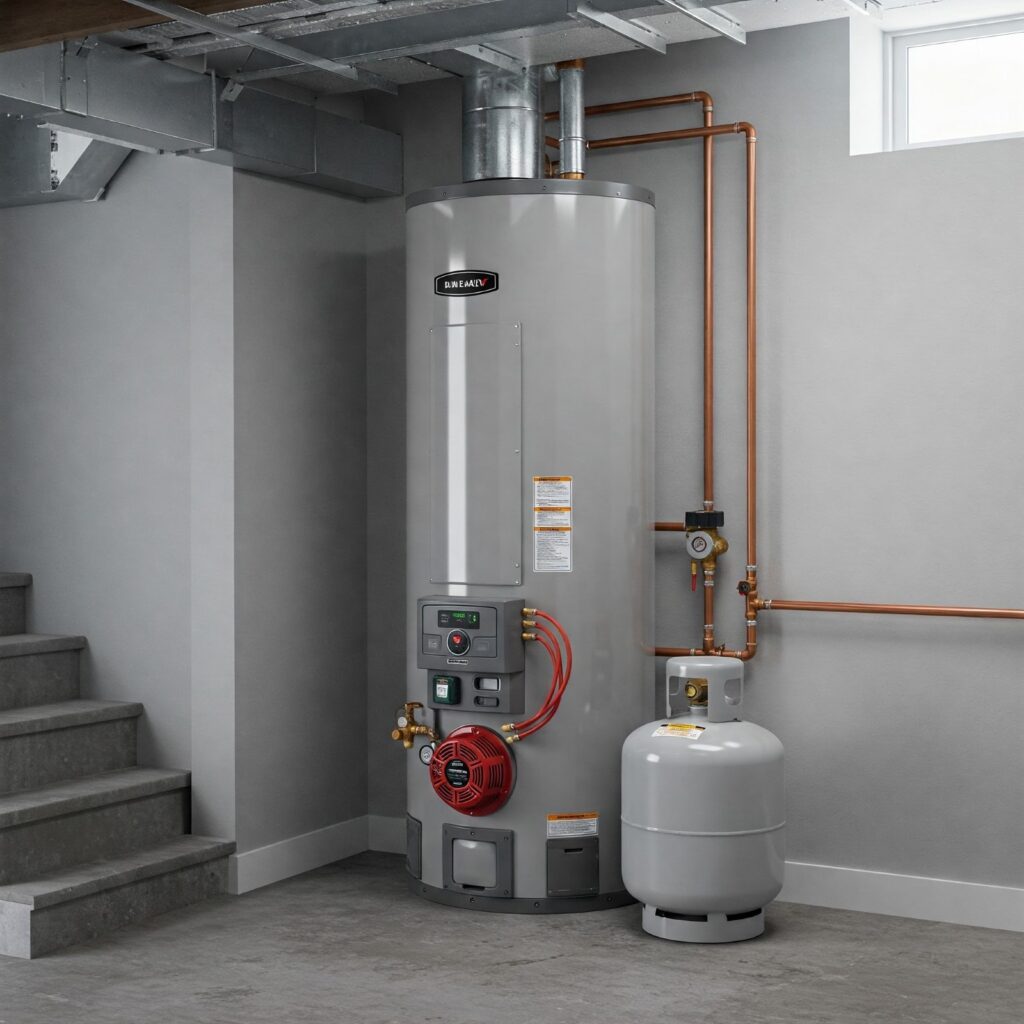
Another essential propane appliance for your off-grid survival plan is the propane water heater. Access to hot water is not only a luxury but can also significantly improve hygiene and overall comfort. Many propane water heaters are designed to be energy-efficient and can provide hot water on demand, minimizing waste. This feature is particularly beneficial in survival situations where conserving resources is vital. Moreover, with a sufficient propane supply, you can enjoy hot showers and clean dishes, essential aspects of maintaining a healthy lifestyle in an off-grid environment.
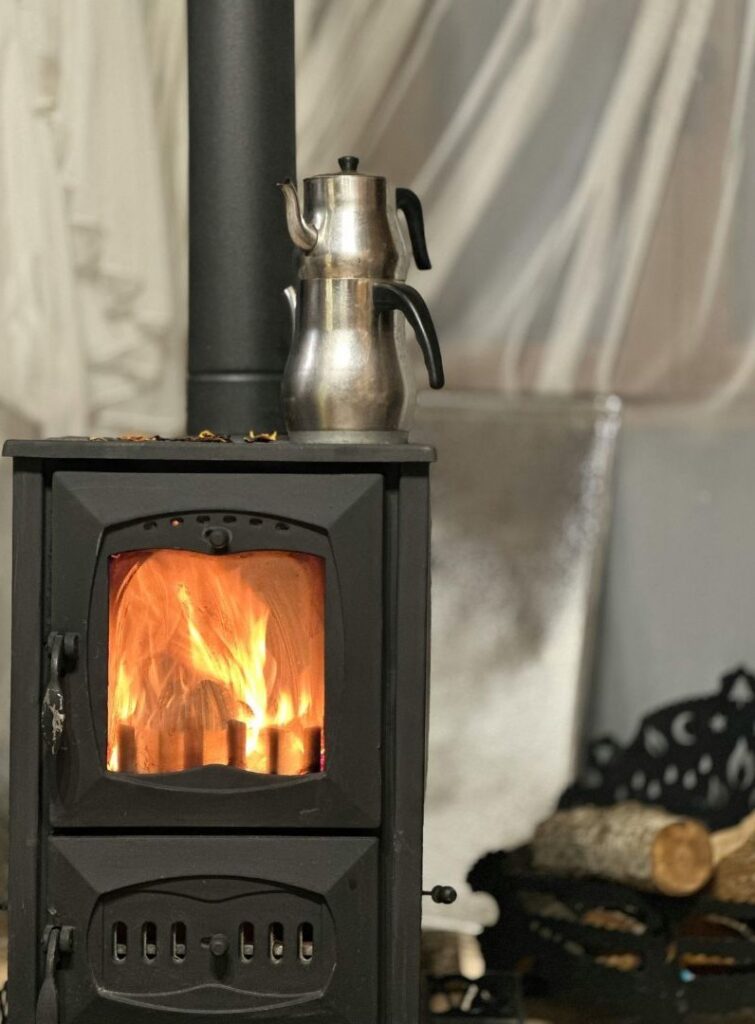
In terms of heating, a propane heater serves as an indispensable tool for maintaining comfort during colder months. Whether you’re using a portable space heater or a more extensive propane furnace, these appliances can provide a reliable source of warmth without the need for electricity. Additionally, propane heaters can be used in conjunction with proper ventilation measures to ensure safety. Integrating these propane appliances into your off-grid survival plan not only boosts your preparedness but also enhances your overall quality of life, allowing you to tackle the challenges of self-sufficient living with confidence.
Propane Storage and Maintenance for Your Off-Grid Lifestyle
When embarking on an off-grid lifestyle, a solid off-grid survival plan must encompass various essential components, and one often-overlooked element is propane storage and maintenance. Propane serves as a versatile energy source for heating, cooking, and even powering appliances that enhance your self-sufficient living. Establishing safe and efficient propane storage is not only crucial for the sustainability of your resources but also for ensuring your household’s safety.
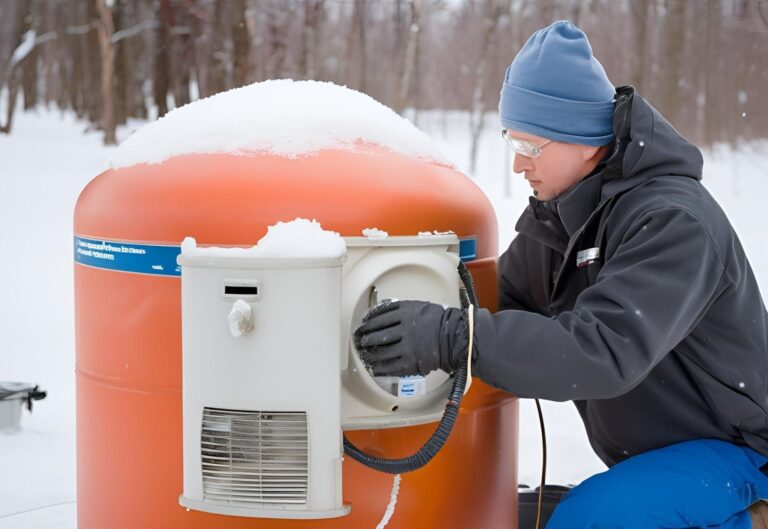
Proper storage begins with selecting the right location for your propane tank—ideally, a well-ventilated area away from structures or flammable materials. It’s essential to follow guidelines set by local regulations when positioning your tank. Secure it on a flat surface and consider using protective barriers to shield it from potential hazards like vehicle impacts. Regularly inspecting your propane tank for leaks, rust, or signs of wear can prevent safety risks and ensure optimal performance.
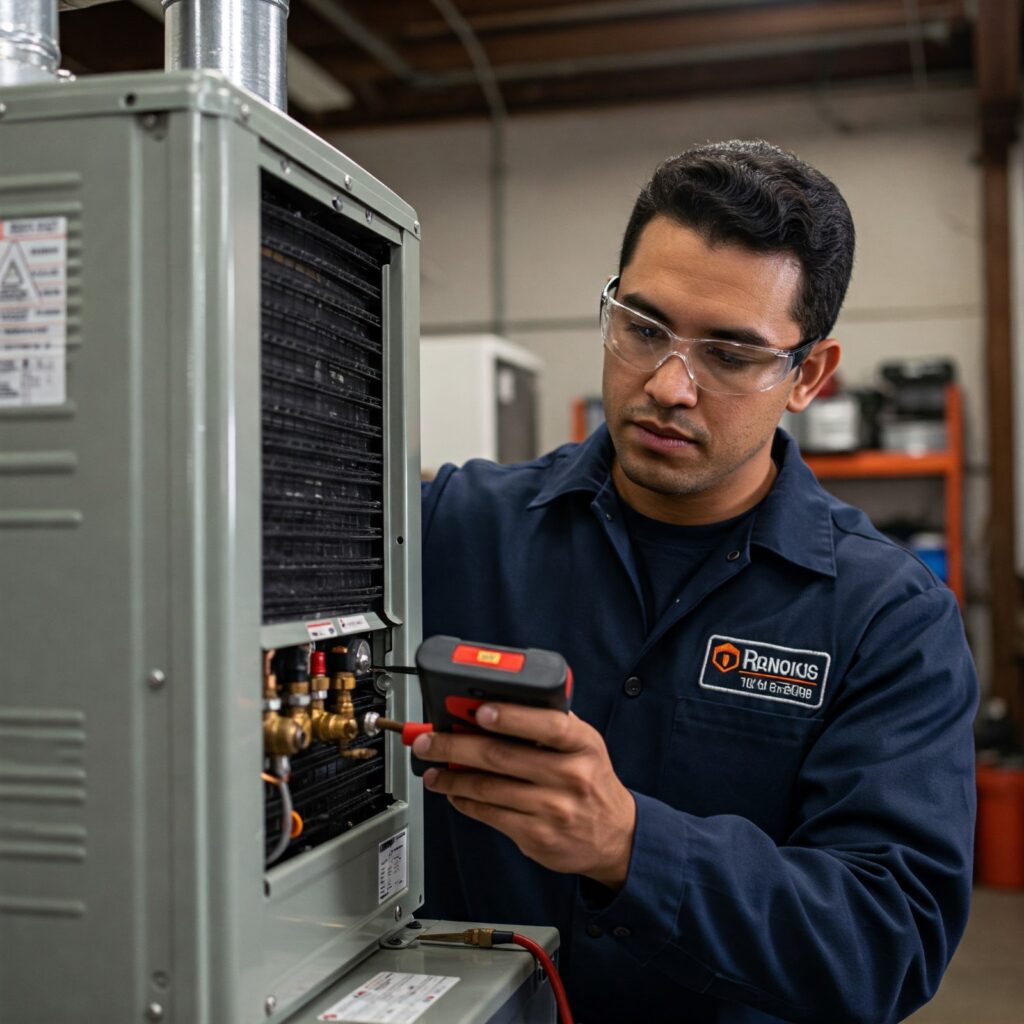
In addition to storage, maintenance is another critical aspect of managing propane safely. This includes routine checks of hoses and connections to identify any wear and tear that could lead to leaks. Keeping your propane appliances clean and well-maintained can also improve efficiency and longevity. Understanding how propane works, including the importance of proper ventilation when using it indoors, is vital for maintaining a safe living environment.
As part of your off-grid survival plan, it’s essential to be prepared for potential propane shortages or fluctuations in availability. Keeping an inventory of your propane usage and having a backup supply or alternative fuel sources can ensure that you remain self-sufficient even during challenging times. By prioritizing safe propane storage and maintenance, you can enjoy the comforts of modern living while fully embracing your off-grid journey.
Budget-Friendly Solutions: How Propane Can Save You Money Off the Grid
In a world where sustainable living and self-sufficiency are increasingly prioritized, many individuals are exploring budget-friendly solutions for their off-grid survival plan. One of the most economical and efficient energy sources available is propane. This versatile fuel comes with a multitude of benefits that can significantly reduce costs while maintaining a high quality of life away from traditional utility services.
Propane is an excellent choice for heating, cooking, and hot water needs, making it an essential component of any off-grid lifestyle. Unlike electricity, which can vary in price and reliability depending on the region, propane remains relatively affordable and stable. Additionally, it burns cleanly and efficiently, allowing users to minimize their environmental footprint while maximizing their savings. This can be especially crucial during the colder months when heating costs can otherwise escalate.
Moreover, implementing propane systems into your off-grid survival plan can provide greater convenience and reliability. Propane tanks are available in various sizes, accommodating any consumption level, from small residential tanks to larger bulk storage options. This flexibility allows for greater control over budgeting, as you can purchase propane in larger quantities when prices are lower, thereby saving further on costs in the long run. Furthermore, modern propane appliances are often designed for energy efficiency, ensuring that you get the most out of each unit of fuel.
Incorporating propane into your off-grid lifestyle not only supports your budget but also empowers your independence. Reliable energy sources are crucial when living off the beaten path, and with propane, you can maintain a comfortable home environment without compromising your financial security. As the demand for sustainable living options continues to grow, exploring solutions like propane can help you create an effective off-grid survival plan that meets both your budgetary and environmental needs.