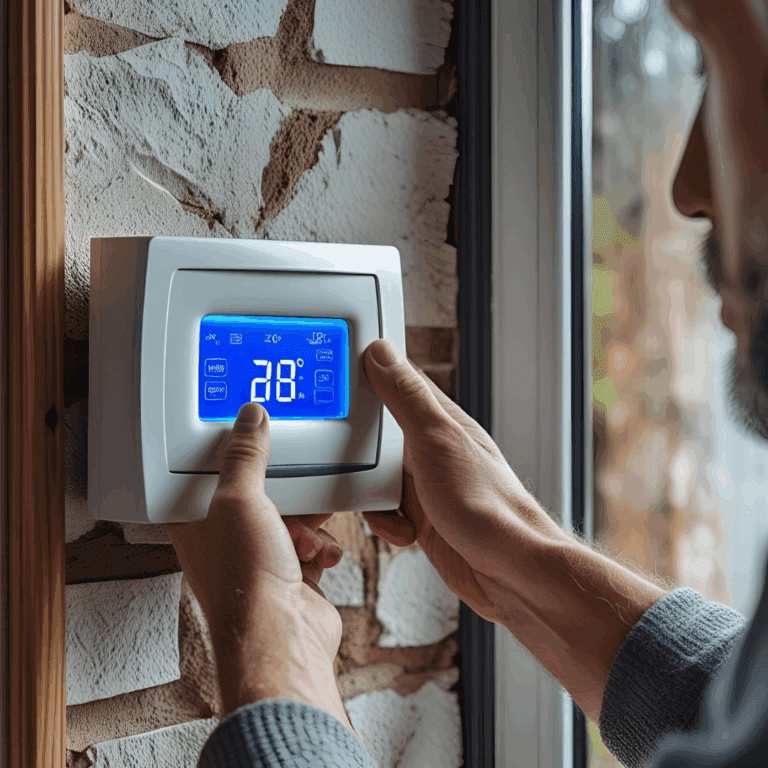
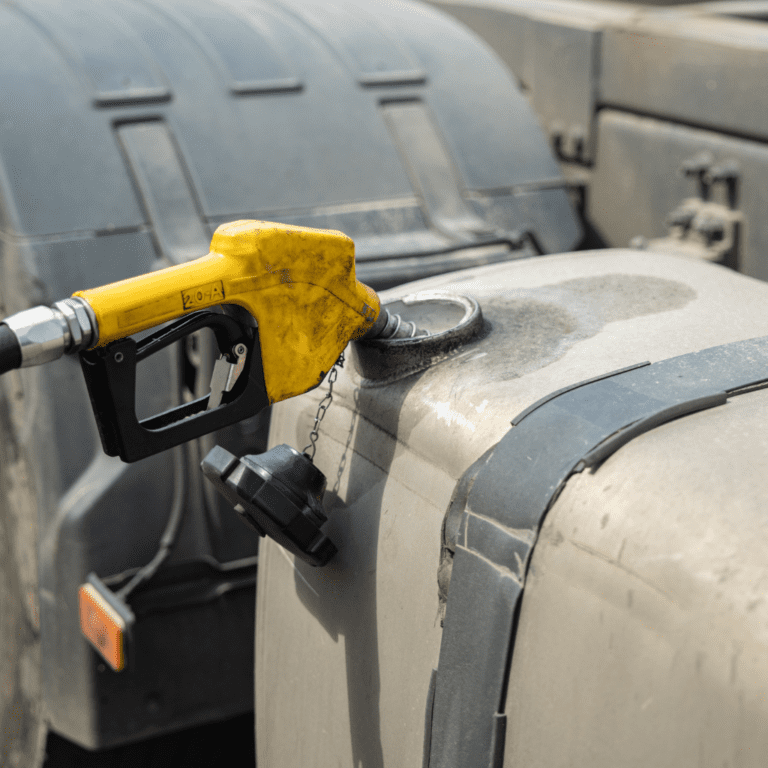
A popular choice for many homeowners to heat their home is propane, and with that come plenty of propane myths about its use. Knowing the truth about propane will help you make informed decisions for safety of your home. In this article we’ll explore common misconceptions and provide real facts for the truth regarding propane.
Is Propane Safe for Home Use?
Many homeowners raise concerns regarding propane safety. A big safety concern is that propane leaks are hard to notice. Propane is mixed with the substance ethyl mercaptan, which gives propane the strong and unpleasant smell like rotten eggs. This odor is easy to detect, even in small amounts, which allows homeowners to act fast when it does appear.

Furthermore, modern propane appliances and tanks come with multiple safety mechanisms like automatic shut-off valves and pressure regulators, which reduce the likelihood of leaks or malfunctions. Keeping a regular maintenance and inspections schedule for your propane systems will also ensure that any potential issues come to light before they become major problems, ensuring your home is safe.
Is Propane Environmentally Friendly?
Many question about the environmental impact that comes with the use of propane. Some believe that propane harms the environment. Yet, propane is a clean-burning fuel. When propane is burned, it produces fewer greenhouse gases compared to other fossil fuels such as coal or oil. It also releases no harmful pollutants like sulfur dioxide, the biggest contributor to acid rain. With that, propane is a more environmentally friendly choice compared to other fossil fuels.
It is true that propane is the byproduct of natural gas processing and oil refining, which are non-renewable sources, but the propane industry is making spectacular strides towards sustainability. The industry is working to produce renewable propane from sources like biomass, offering an even greener alternative for the future. Also, as renewable propane starts to gain attraction, its use could significantly lower homeowner’s carbon footprint who rely on the resource for heating and energy needs, providing a great opportunity for environmentally conscious consumers.
How Does Propane Compare Economically?
The effectiveness of the cost of propane is another concern of homeowners. Many assume that propane is an expensive option for energy. However, propane can be extremely cost-effective. Appliances that run on propane, such as water heaters and furnaces, tend to be more efficient than the electronic versions. This means they use less energy to perform similar tasks which equates to lower energy bills over time.
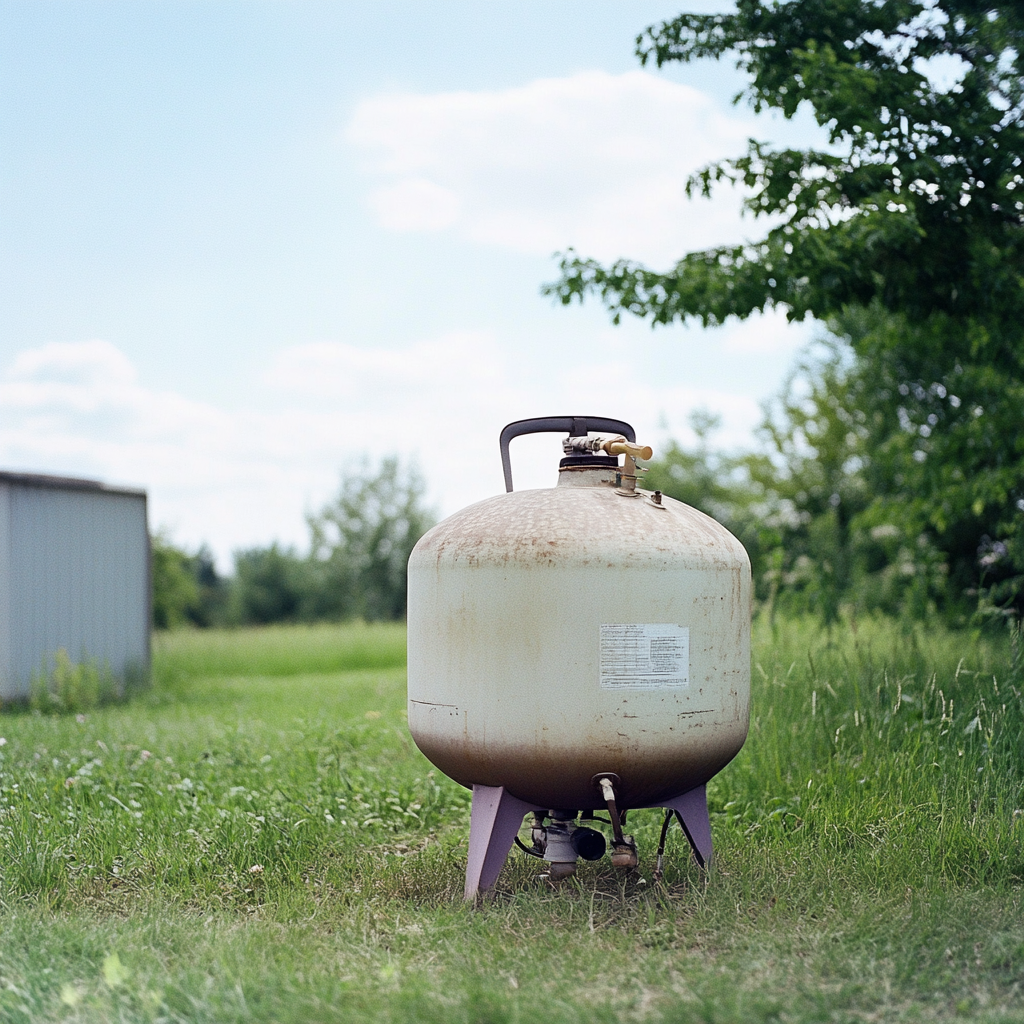
Homeowners raise concerns about the reliability of propane supply in fear they could run out during critical times. But propane is widely available and can be stored on-site so you can monitor your usage and refill your tank before it runs low. This ensures you’ll never run out unexpectedly. In addition, propane prices are less unpredictable compared to electricity costs which constantly fluctuate based on the conditions of the market. The price stability provides homeowners the opportunity to better plan and budget for their energy needs over time.
What Are the Practical Uses of Propane in Homes?
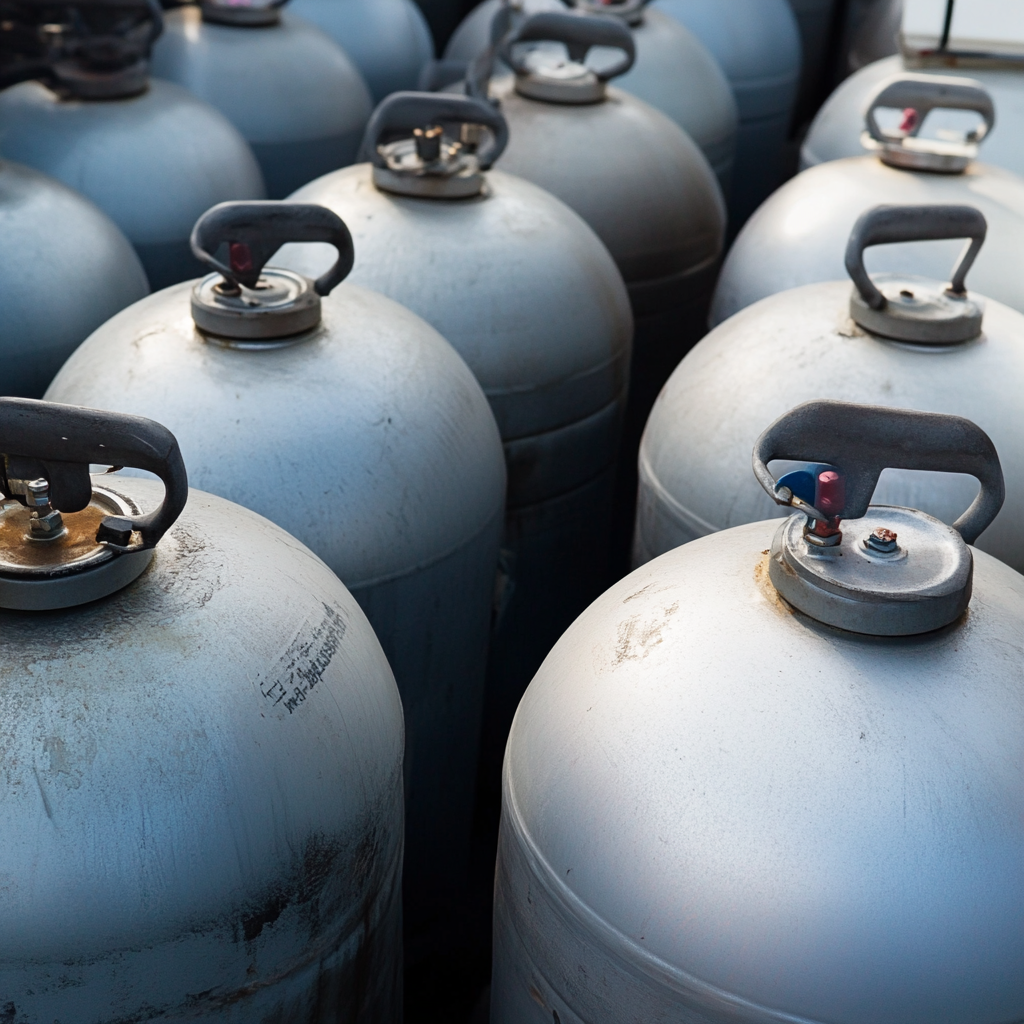
The versatility of propane is one of its best advantages. Propane is famous for fueling grills, but its use extends far beyond just the backyard. Propane can power home heating systems, water heaters, kitchen ranges, and even clothes dryers. Its versatility positions it as a valuable energy source for a variety of household needs. Still, some believe that electronic appliances are the superior choice to propane powered.
Propane appliances many times provide more consistent performance. For example, propane stoves provide more precise temperature control compared to electric stoves, which makes them the preference among chefs. Additionally, propane water heaters will heat water more quickly compared to electronic models. Another huge benefit is propane’s ability to function in off-grid homes or areas with limited access to electricity. This makes propane an ideal energy source for rural and remote properties, where homeowners rely on propane for everything whether that be cooking and heating or generating electricity.

Fully understanding the facts about propane will make you make informed decisions for your home’s energy needs. This article highlights how propane is safe, environmentally friendly, and cost-effective for a wide range of applications. Debunking these myths helps homeowners confidently consider propane as a viable option for their energy needs. Whether its used for heating, cooking, or other uses, propane provides a reliable and efficient for all types of homes alike.