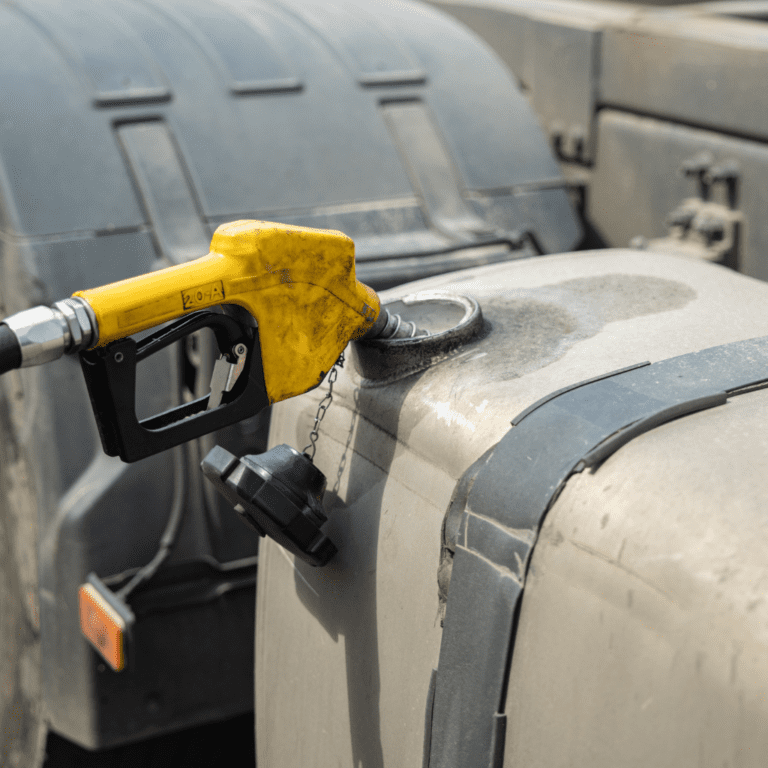
Winter is coming to Central PA, and it’s getting cold. Ensuring your propane heating system is ready, checking your propane tank, and following a winter propane checklist are essential steps to keep your home warm, safe, and efficient all season.
Are you ready? A well-kept propane system is vital for a cozy home. Without it, you might face expensive repairs, safety risks, and a cold house.
By being proactive, you can have a warm and safe winter. Here, we’ll share important propane heating tips to prepare your home for the cold.
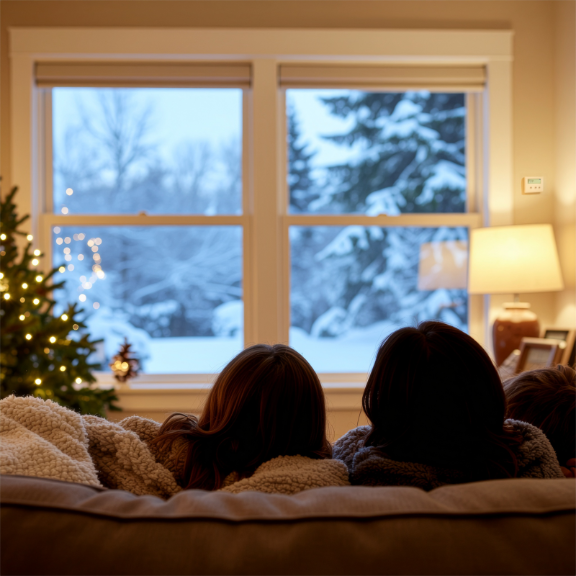
Understanding Propane Heating in Central Pennsylvania’s Winter Climate
In Central PA, propane heating is more than a choice; it’s a must during winter. The cold and snow make a good heating system essential for comfort and safety.
Why Propane is Popular in Central PA Homes
Propane heating is popular in Central PA for good reasons. It’s efficient, reliable, and cost-effective. Unlike other fuels, propane keeps homes warm even in extreme cold.
Central PA’s Unique Winter Challenges for Propane Users
However, using propane in Central PA has its challenges. It’s important to manage propane tank levels during snowstorms. Also, propane lines and connections must be winterized to avoid freezing and leaks.
Benefits of Propane During Harsh Pennsylvania Winters
Propane has many advantages in harsh winters. It provides reliable heat, is energy-efficient, and keeps temperatures steady even when it’s very cold outside.
Essential Propane Heating Tips for Central PA Homeowners
Winter is coming, and Central PA homeowners need to get ready. Keeping your propane heating system in good shape is key. It keeps your home warm, safe, and saves you money on repairs.
Pre-Winter Propane System Inspection Checklist
Before winter, check your propane heating system carefully. Look at the tank, lines, connections, and the heating unit. This is crucial.
Professional vs. DIY Inspections
Some might think doing it themselves saves money. But, it’s better to get a pro to inspect. They can spot problems you might miss.
A pro can also give you a detailed report. This report helps you know what needs fixing or maintenance.

When to Schedule Your Inspection
It’s best to get your system checked in the fall. This way, you can fix any problems before it gets cold.
Managing Propane Tank Levels Throughout Winter
Keeping your propane tank full is important. You need a steady supply all winter.
Automatic vs. Will-Call Delivery Options
Propane suppliers offer two delivery types: automatic and will-call. Automatic deliveries are based on your past use. Will-call means you call when you need more.
Automatic deliveries are convenient. You don’t have to watch your tank all the time.
Creating an Optimal Delivery Schedule
If you choose will-call or need to change your automatic schedule, know your usage. Track your tank levels and past use. This helps you plan when to refill.
Winterizing Your Propane Lines and Connections
Checking and winterizing your propane lines and connections is important. Look for leaks, damage, or corrosion. This keeps your system safe and working well.
By following these steps, your propane heating system will be ready for winter. You’ll have a warm and cozy home.
Maintaining Your Propane Heating System During Central PA Winters
Winter is here in Central Pennsylvania, and keeping your propane heating system in check is key. It ensures your home stays warm and safe. The cold weather can harm your heating system, so regular upkeep is a must.
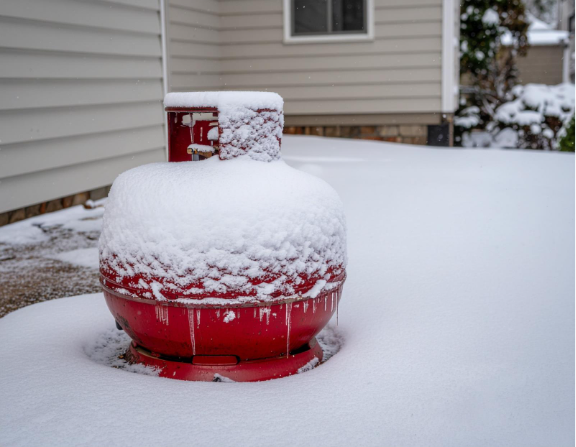
Clearing Snow and Ice from Critical Propane Equipment
It’s important to clear snow and ice from your propane equipment. This includes the tank, regulator, and vents. If not, it could malfunction or pose safety risks.
To remove snow and ice, use a soft brush or broom. Stay away from sharp tools that might damage your equipment. Regular checks and cleanings will help avoid problems in the cold months.
Monitoring for Leaks and System Performance Issues
Keep an eye on your propane heating system for leaks and performance problems. A leak smells like propane or can be detected with a leak solution. If you find a leak, leave the area and call a pro right away.
Also, watch for signs like less heat or strange noises. These could mean your system needs a pro to fix it. This ensures it works safely and well.
Power Outage Protocols for Propane-Heated Homes
If there’s a power outage, your propane system should still work. But make sure your thermostat has batteries or a backup power source.
Also, have a plan for light and heat if needed. Keep batteries, flashlights, and a battery radio handy for long outages.
Safety and Efficiency Measures for Propane Heating in Pennsylvania
When it’s cold in Pennsylvania, keeping your home warm is key. Your propane heating system must work right to keep your family safe and your home in good shape.

Installing and Testing Carbon Monoxide and Propane Detectors
It’s very important to have carbon monoxide and propane detectors. They help find leaks or problems with your heating system. This way, you can fix things before they get worse.
Make sure to test these detectors every month. Also, change the batteries once a year, or when the maker says to. This keeps them working well.
Teaching Family Members About Propane Safety Procedures
It’s important to teach your family about propane safety. They should know how to spot the smell of propane and what to do if there’s a leak. They also need to know where your propane tank and other important stuff are.
Do drills with your family to practice what to do in an emergency. This way, everyone will know how to act if something bad happens.
Cost-Saving Strategies for Propane Heating
To save money on heating, there are a few things you can do. Make sure your house is well-insulated to keep the heat in. Also, keep your heating system in good shape by getting it checked regularly.
Changing your thermostat settings can also help. Turn it down when you’re not home or sleeping. This will use less propane and save you money.
Emergency Response Plan for Propane-Related Incidents
It’s crucial to have a plan for emergencies with propane. This plan should tell you how to turn off the propane, list emergency numbers, and explain how to evacuate.
Practice your emergency plan with your family often. This makes sure everyone knows what to do if there’s an emergency.
Conclusion: Ensuring a Warm, Safe, and Efficient Winter with Propane
Living in Central PA means getting ready for winter is key. By using the propane heating tips from this article, you can keep your home cozy and safe. A well-kept propane heating system is vital for Pennsylvania’s cold weather.
Make sure to check your propane tank and lines before winter starts. Also, clear snow and ice from important equipment and watch for leaks. Having a central PA heating checklist can help you remember these steps.
Following these tips and keeping your system in good shape will keep you warm and safe. It also makes your heating system work better. Stay ready and enjoy the winter with a dependable propane heating system.