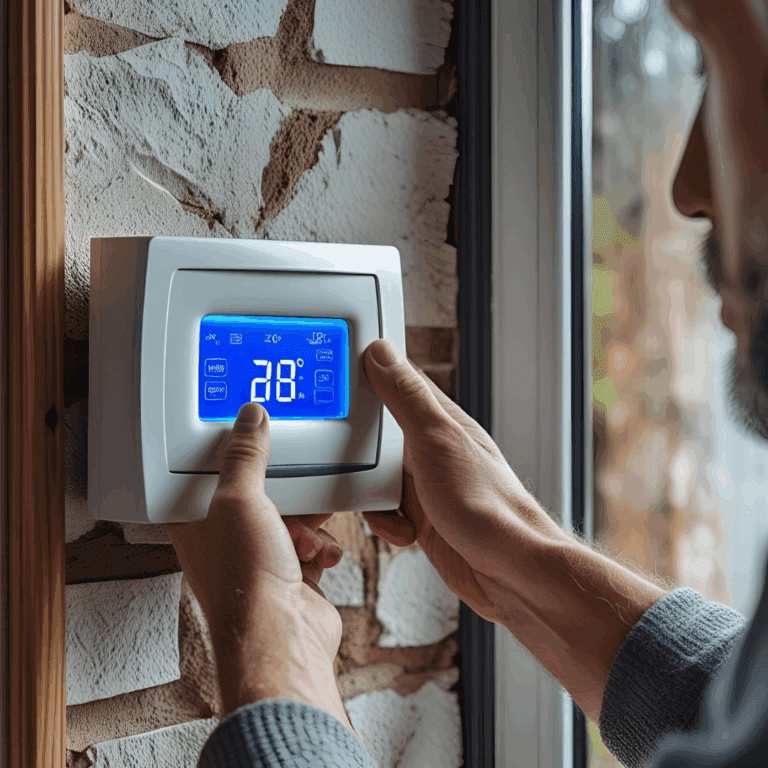
Thinking about getting a propane tank in Central Pennsylvania? You’re not alone. Homeowners throughout the region often wonder what to expect from a propane tank installation. Whether you’re considering an above-ground or underground propane tank installation, understanding the full process—from the initial site evaluation to the final hook-up—can help you make the right decision.
Knowing what to expect can make the process easier. It usually starts with finding the best spot for your tank. Then, you need to get the right permits. Finally, it’s time for the installation itself.
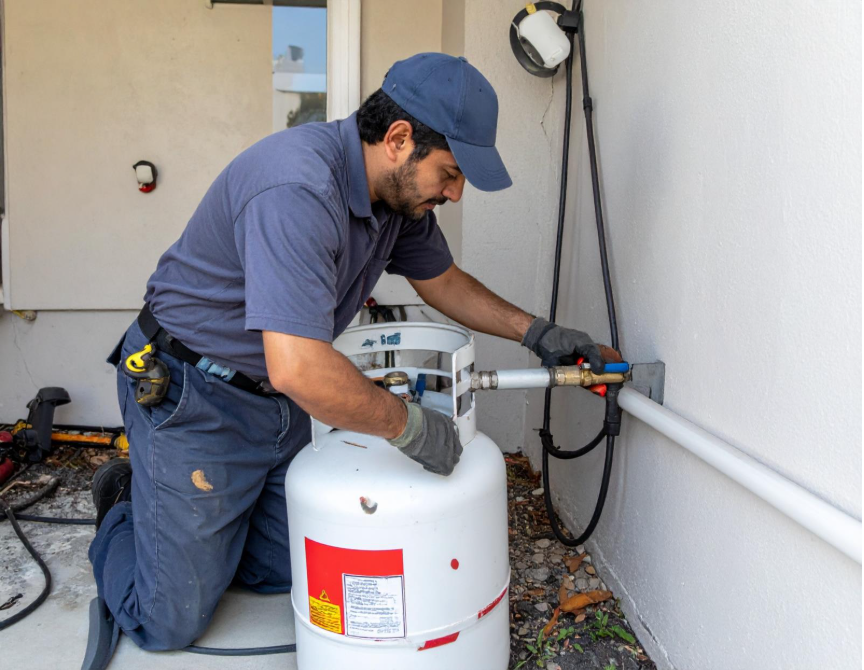
Understanding Propane Tank Options for Pennsylvania Homes
Choosing the right propane tank for your Pennsylvania home is important. You have many options for the type and size of tank that fits your needs.
Above-Ground vs. Underground Propane Tanks
First, you must decide between an above-ground or underground propane tank. Above-ground tanks are cheaper to install and maintain. But, underground tanks are hidden and look better.
However, underground tanks need more complex installation. They might also require extra safety steps.
Sizing Your Propane Tank: Determining Your Needs
Finding the right propane tank size depends on your energy use. Your home’s size, how much propane you use, and what you use it for matter. A professional can help find the best tank size for you.
Pre-Installation Planning and Requirements
Before starting a propane tank installation, several steps are crucial. This planning phase is key for a smooth process.
Local Permits and Regulations in Central Pennsylvania
Getting local permits is a must before installing a propane tank. In Central Pennsylvania, rules differ by area. It’s important to check with local authorities to know what you need.
Property Assessment and Ideal Tank Placement
Assessing your property is essential to find the best spot for your tank. Consider things like access, distance to your home, and underground utilities. This ensures your tank operates safely and efficiently.
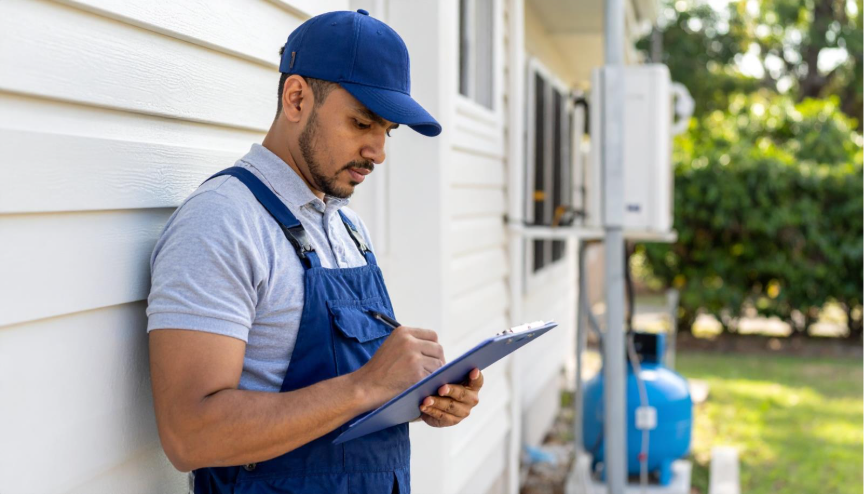
Seasonal Considerations for PA Installations
The season you choose for installation matters. Installing in the off-season might mean less demand and quicker service. Knowing when is best can help you plan your installation.
Costs and Financing Your Central PA Propane Tank Installation
Installing a propane tank in Central Pennsylvania can cost differently. This depends on the tank size, installation type (above-ground or underground), and local labor prices. Knowing these costs helps you plan your budget for a new propane setup.
Average Installation Costs in Pennsylvania
In Pennsylvania, installing a propane tank costs between $1,500 and $3,000 for above-ground tanks. Underground installations can cost $3,000 to $6,000 or more. These prices include the tank, labor, and necessary permits.
Other factors like installation complexity and distance from the propane source also affect the cost.
Financing Options and Potential Rebates
There are many financing options to help with the initial costs of a propane tank installation. Some propane suppliers offer financing plans or rebates to lower your expenses. You might also get rebates or incentives from government programs or utility companies for energy-efficient equipment.
It’s important to ask about these opportunities when talking to your propane provider.
The Complete Central PA Propane Tank Installation Process
The propane tank installation process has several key steps. These steps ensure a safe and efficient setup. Knowing these steps helps you prepare for the installation and ensures everything goes smoothly.
Site Preparation Requirements
Before starting, the site for the propane tank must be prepared. This means clearing the area of debris, vegetation, or obstructions. The ground also needs to be leveled for proper tank positioning.
Tank Delivery and Positioning
After site preparation, the propane tank is delivered and placed. The installer carefully positions the tank, ensuring it’s level and secure.
Connection to Home Systems
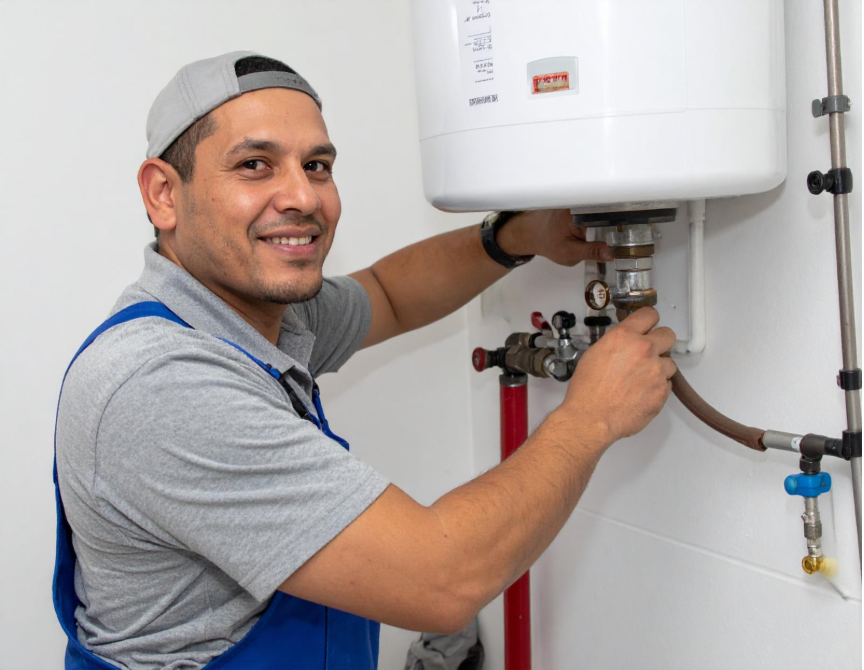
The last step is connecting the tank to your home’s systems. This involves linking it to your propane-powered appliances. These include your heating system, water heater, or cooking range.
Understanding the propane tank installation process shows the effort in setting up your system. A well-installed propane tank can serve you safely and reliably for years.
Underground Propane Tank Installation Specifics
Homeowners in Central PA need to know about underground propane tank installation. This knowledge helps set realistic expectations and ensures a smooth process. It’s important from start to finish.
Excavation Process and Requirements
The excavation for an underground propane tank requires careful planning. The site is assessed for the best tank location, considering soil type, water table, and building proximity. Heavy machinery digs a hole for the tank.
The tank is then placed in the hole, ensuring it’s level and correctly positioned. It’s also crucial to follow local regulations and codes during excavation. This includes burying the tank at the right depth and ensuring safety measures.
Backfilling and Restoration of Your Property
After the tank is installed, the site is backfilled, and your property is restored. The backfilling involves filling the hole with soil and sometimes additional materials for stability. The area is then restored, which may include reseeding grass or replacing pavers.
Restoration is key to minimize the installation’s visual impact. A reputable propane provider will ensure the work is done well. This leaves your property looking as it did before the installation.
Choosing a Qualified Propane Provider in Central PA
Finding a good propane provider is key for a smooth installation. A reliable provider who also offers propane delivery in Central Pennsylvania will install your tank right and help with upkeep.
What to Look for in a Propane Company
Look for a propane company in Central PA that’s licensed and insured. Check their reputation online through reviews and ratings. A good company will have happy customers and a focus on safety.
Also, see if they offer maintenance and emergency repair. A company that does it all can save you time and hassle.
Questions to Ask Before Hiring
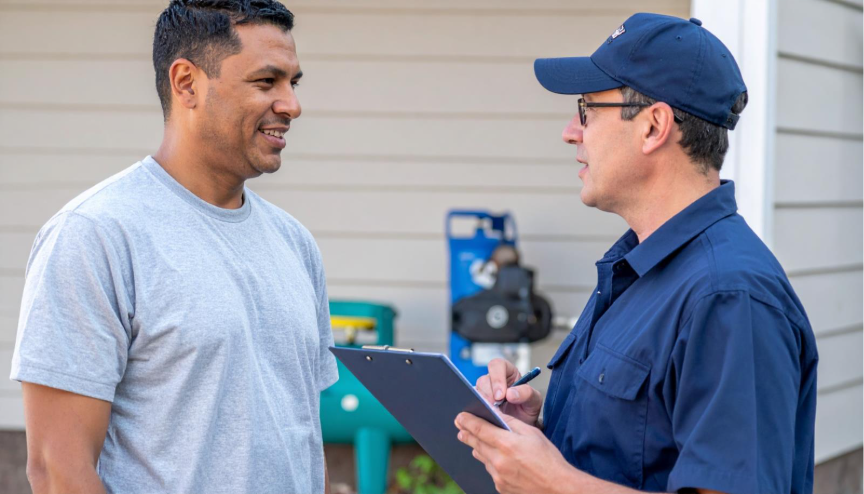
Ask about their installation process, like site prep and tank placement. Find out their pricing and if they have financing options. This ensures it fits your budget.
Ask about their customer support and emergency services too. Knowing you have a reliable provider for future needs can ease your mind.
Safety Considerations and Emergency Procedures
Knowing safety rules is key for a safe propane tank setup. When you get a new propane tank in Central Pennsylvania, it’s important to know the safety steps. These steps keep you, your family, and your home safe.
Propane Tank Safety Features
Today’s propane tanks have many safety features. They have relief valves to release extra pressure and are made to last long. These features help avoid accidents and make the installation safe.
Proper Clearances and Code Requirements
It’s important to have the right space around your propane tank. You need to follow local propane safety regulations, which say how close the tank can be to buildings and property lines. This keeps everyone safe from potential dangers.
What to Do in Case of a Propane Emergency
If you think there’s a propane leak or an emergency, act fast. If you see a leak, get out of the area and call your propane company or emergency services. Don’t try to fix it yourself, as it can cause harm or damage.
Conclusion: Enjoying the Benefits of Your New Propane System
Now that you’ve finished installing your propane tank in central PA, you’re ready to enjoy its many benefits. Your new propane system benefits will provide reliable and efficient energy to your home.
With proper care, your propane system can last for many years. It will power your appliances, heating, and more. Choosing the right tank size and type for your home can help you save on energy costs.
Remember to keep your system in top shape by getting regular maintenance from a trusted propane provider. This way, you’ll get the most out of your propane tank for years.