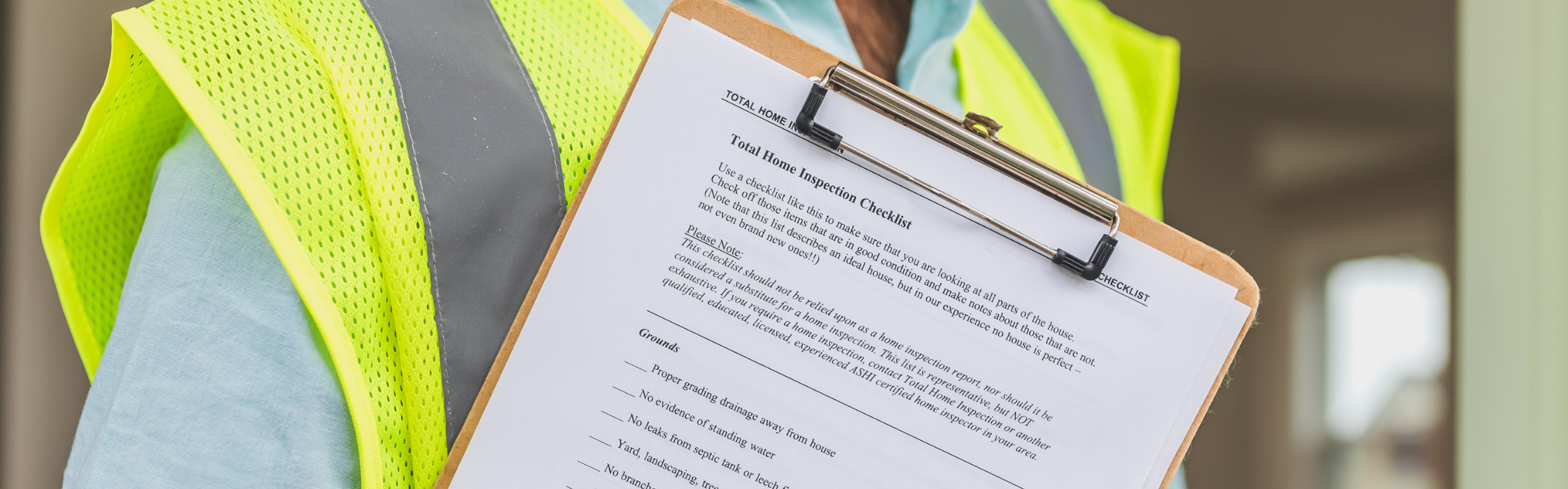
When it comes to managing household energy sources, propane is a popular choice for many homeowners due to its efficiency and versatility. However, with its many advantages also comes a responsibility to ensure safety in its use and storage. To help you navigate these essential precautions, we’ve compiled a complete propane safety checklist every homeowner should follow. By adhering to these guidelines, you can ensure that your home utilizes safe propane services while enjoying the benefits of this reliable fuel. From understanding proper storage techniques to recognizing signs of potential leaks, utilizing a safety checklist can make all the difference in maintaining a secure environment for you and your loved ones. Additionally, knowing how to choose safe propane delivery options can further enhance your peace of mind. Let’s dive into the crucial elements of propane safety that every homeowner should know.
Propane Safety Tips: How to Securely Handle and Store Propane
Safety should always be the top priority when using propane. Propane, commonly used to heat homes, cook meals, and even provide power to appliances, is an extremely versatile and efficient source of fuel. However, improper handling and storage can lead to serious hazards. It is crucial to adhere to propane safety guidelines to ensure the wellbeing of yourself and your loved ones. This includes having a safety checklist to regularly inspecting your equipment, ensuring all appliances are properly maintained, and using propane cylinders that are suitable for your specific needs.
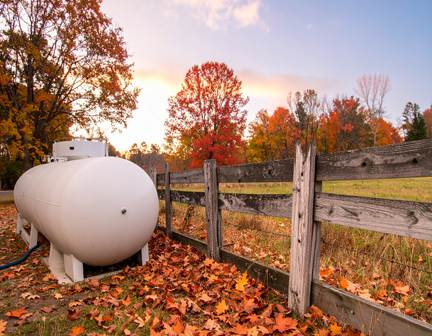
One of the most crucial elements of propane safety is the proper storage of propane tanks. Always store propane cylinders in a cool, ventilated area away from direct sunlight and heat sources. Never bring propane indoors, as the gas is highly flammable and can accumulate in enclosed spaces, creating a risk of explosion. It’s also important to keep your propane tanks upright and secure to prevent accidental tipping and to regularly check for any rust or damage, which could compromise their integrity.
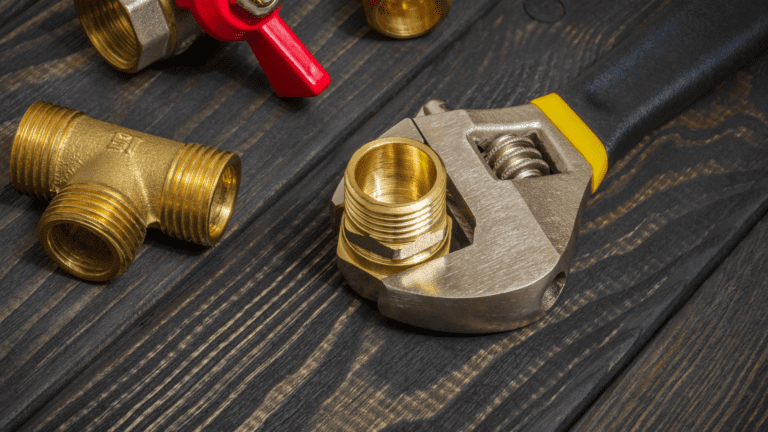
When handling propane, take care to use regulators, hoses, and other components that are compatible with your propane system. Always perform a leak test using a soap and water solution when connecting or disconnecting propane lines; bubbles will form if there is a leak. Evacuate immediately and contact emergency services or the local fire department in the event of a leak or if you even smell propane. Ensure that everyone in your household knows the steps to take in case of a propane-related emergency, as being prepared can make all the difference.
Detecting Propane Leaks: Signs to Watch Out For
If your home or business utilizes propane for heating, cooking, or powering appliances, detecting propane leaks is crucialand should be included into your safety checklist. Propane safety begins with being aware of the signs that could indicate a potential leak. One of the most prominent indicators is the distinct smell associated with propane, often described as similar to rotten eggs. This smell is intentionally added to propane as an odorant to make leaks more detectable. If you ever notice this unusual odor, it is vital to act quickly by evacuating the area and contacting a professional to assess the situation.
In addition to smell, watch for visual signs of a propane leak. Look for hissing or whistling sounds near propane tanks or connections, as this can indicate gas escaping from a fitting. Furthermore, you may notice a pool of liquid or frost forming around a leak point. As propane is stored under pressure, it can escape in liquid form before vaporizing, so any unusually cold spots or frost may signify a leak. It’s imperative to recognize these signs early; even a small leak can lead to hazardous situations.

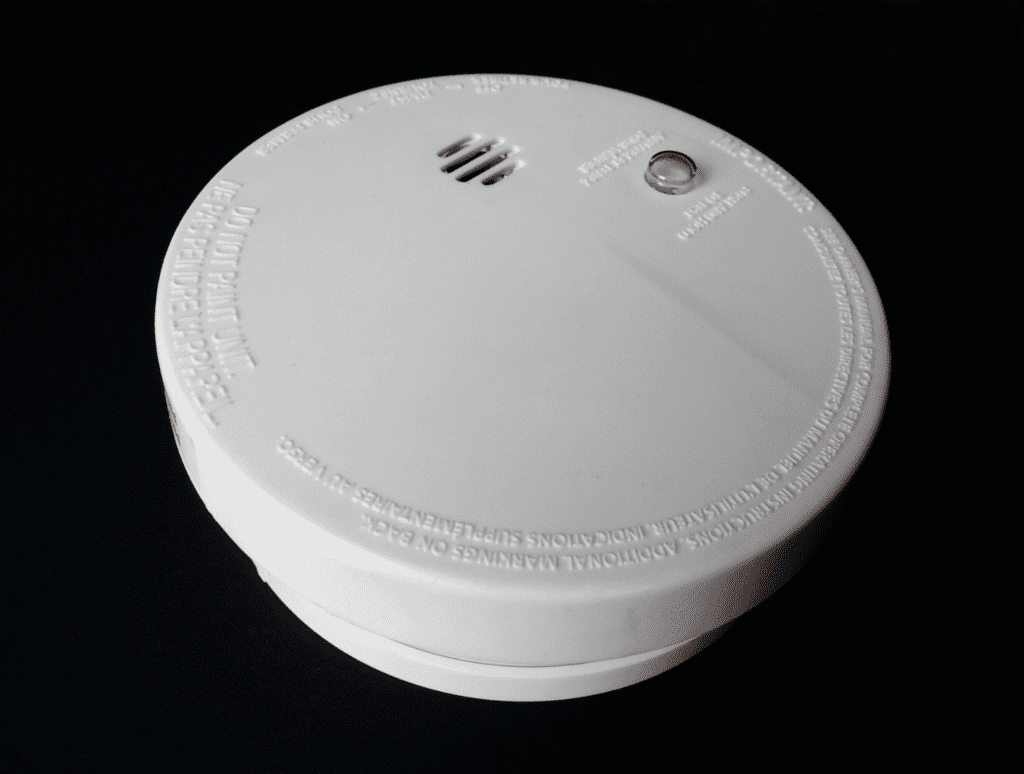
Another important aspect added to a safety checklist is staying aware of physical symptoms that may occur due to exposure. If you or others begin to experience symptoms like headaches, dizziness, or nausea, it is essential to leave the area immediately and seek fresh air. These symptoms can indicate a significant propane accumulation, posing serious health risks. Always prioritize safety by ensuring that smoke detectors and propane gas detectors are installed and maintained regularly in your living or working environment.
Essential Steps for Safe Propane Appliance Usage
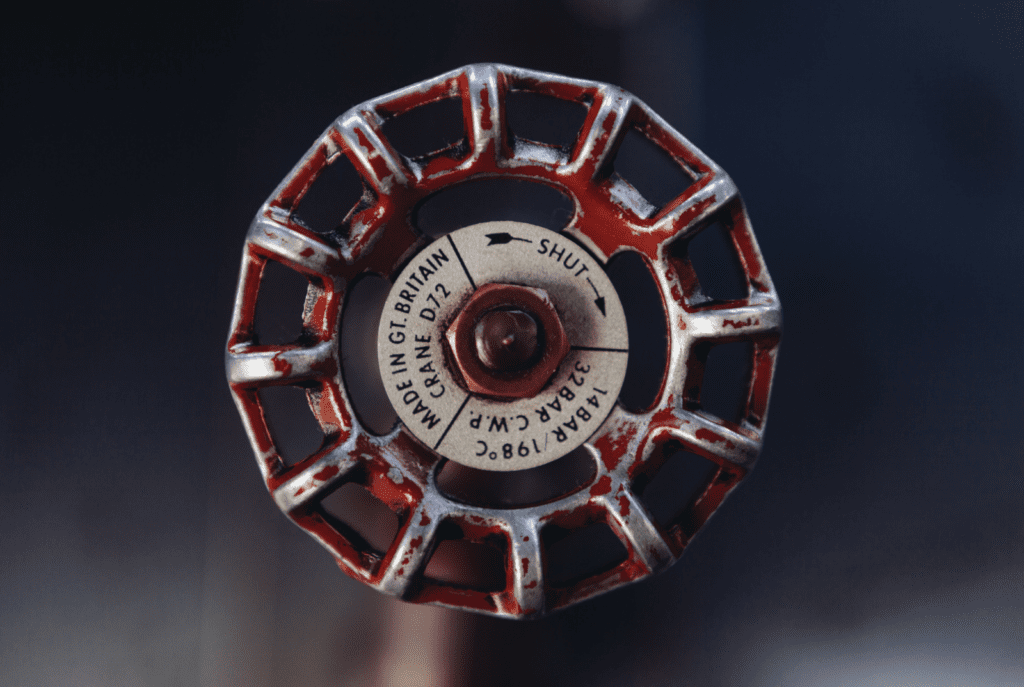
Using propane appliances can enhance our comfort and convenience, but safety should always be the top priority. Proper safety always starts with appropriate installation and regular maintenance of appliances. Always have a professional install any propane system and make sure their installation aligns with local building codes and manufacturers’ specifications. Incorporate inspections periodically to check for leaks and to make sure all connections are secure. An efficient way to detect potential leaks is by applying a soap solution to the joints and valves—if bubbling occurs, it indicates gas leakage.
On top of installation and maintenance, the proper use of propane appliances is crucial for your safety checklist. Always read and follow the manufacturer’s guidelines for operation. Always ensure that propane appliances used for heating or cooking are positioned in well-ventilated areas so the buildup of harmful gases like carbon monoxide does not occur. It’s also important to know how to operate your appliances correctly; ensure that burners are ignited properly and adjust temperatures gradually.
Educating those in your home about propane safety is another essential step. Anyone who is regularly in your home should be knowledgeable of the signs of propane leaks, including strong rotten egg odors and what to do if a leak is suspected. Establish a clear emergency plan that includes evacuating the area and contacting emergency services. Moreover, keeping a fire extinguisher nearby and knowing how to use it can be lifesaving. Regularly practicing these procedures can foster a sense of preparedness and ensure everyone knows their role in case of an emergency.

Proper Ventilation: A Crucial Element of Propane Safety
Proper ventilation is key in propane safety as it minimizes risks that come with the use and storage of propane. Propane is a colorless, flammable gas that, when not handled with caution, can lead to dangerous situations, including fires and explosions. Ensuring that the areas where propane is used—whether indoors or outdoors—are adequately ventilated is crucial for maintaining a safe environment. This allows any potential gas leaks to dissipate quickly into the atmosphere, reducing the probability of hazardous buildup.
Effective ventilation measures include ensuring that spaces have windows, doors, and vents that can be opened to allow airflow. Particularly in enclosed areas where propane appliances like heaters or stoves are utilized, such ventilation reduces the chance of accumulating harmful propane levels. Additionally, if a leak does occur, properly ventilated areas help to prevent the concentration of propane, allowing it to disperse harmlessly. Installing carbon monoxide detectors and propane gas sensors in strategic locations can further enhance safety by providing early warnings against any potential gas issues.
Moreover, understanding the nature of propane and its properties is key to achieving optimal ventilation. Propane is heavier than air, which means it tends to settle in low-lying areas. Therefore, ensuring that basements, crawlspaces, or any other depressions are adequately ventilated is particularly important. Homeowners should regularly check vents and exhaust systems for blockages and ensure that outdoor spaces have clear exit routes for any escaping gas. This proactive approach not only enhances propane safety but also contributes to the overall well-being of individuals using propane in their daily lives.
Emergency Procedures: What to Do in Case of Propane Mishaps
In any setting where propane is used, whether it’s for heating, cooking, or fueling outdoor appliances, understanding emergency procedures is crucial for maintaining safety. Propane is flammable, and the gas can pose serious risks if it is not handled properly. It is essential to be aware of the signs of a propane leak, which may include a smell similar to rotten eggs, a hissing sound near propane appliances, or dead vegetation around a storage area. Recognizing these indicators can help individuals take swift action to prevent potential disasters and are a priority on a safety checklist.
If a propane leak is suspected, the first step is to ensure everyone vacates the area immediately. Do not try to locate the source of the leak or turn on any switches, as sparks could ignite the gas. Instead, move to a safe distance away from the building and inform others to do the same. Once you are safe, call emergency services or your propane supplier from a safe location. It’s important not to use your mobile phone until you are at a distance from the leak, as any electrical device could create a spark in the presence of propane.
Also, the regular maintenance of your propane system is vital for preventing risks. This includes checking for leaks, ensuring proper ventilation in enclosed spaces, and adhering to propane safety checklist guidelines when performing storage and refueling tasks. Practice having a functioning carbon monoxide detector near propane appliances since the harmful accumulation of the gas can occur if these appliances are not ventilated properly. Each household should develop a safety plan that includes emergency contacts and a designated meeting location to ensure everyone knows what to do in case of a propane emergency.
Lastly, education plays a significant role in propane safety. Everyone in the household should be informed about the properties of propane, how to operate propane devices safely, and the protocols for emergencies. Participating in safety training or community workshops can enhance awareness and preparedness, reducing the risk of accidents. By prioritizing propane safety and knowing what to do in the event of an emergency, individuals can protect themselves, their homes, and their loved ones from the hazards associated with propane.