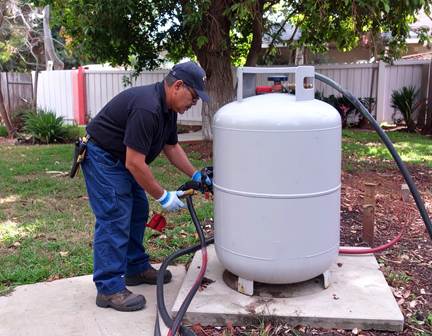
Are you unsure when it’s time for propane replacement or to replace your propane tank in Central Pennsylvania? Understanding the right timing is essential for safety, efficiency, and compliance with local regulations. Trusted Central PA propane suppliers can guide you on inspecting your tank, spotting warning signs like rust or leaks, and planning a replacement before problems arise. Proper propane replacement ensures uninterrupted heating, cooking, and appliance performance while keeping your home safe.
As a homeowner using propane for heating, cooking, or appliances, it’s important to know when to replace your tank. The tank’s age, condition, and how much you use it matter a lot. Also, Pennsylvania’s local rules on propane tanks are important to follow.
Being aware of these factors helps you avoid dangers and keeps your propane flowing. Let’s look at the main things to consider for replacing your tank in Central Pennsylvania.
Understanding Propane Tank Lifespan in Central PA
The lifespan of a propane tank in Central PA depends on several factors. Knowing these can help keep your tank safe and working well.
Average Lifespan of Residential vs. Commercial Tanks
Residential propane tanks usually last 20 to 30 years. This depends on the tank’s material and how well it’s maintained. Commercial tanks, being bigger and used more, last about 15 to 25 years. The tank’s material, how it’s used, and the weather all affect its lifespan.
How Central Pennsylvania’s Seasonal Weather Affects Tank Durability
Central Pennsylvania’s weather changes a lot, which affects propane tanks. Freezing and thawing in winter and spring can weaken metal. Hot summers can also cause corrosion. Knowing this can help you protect your tank.
Manufacturer Warranty Periods and Recommendations
Propane tank makers offer warranties from 5 to 20 years. It’s key to follow the manufacturer’s maintenance and inspection advice. This keeps your tank under warranty and prevents early failure.
Local Regulations Affecting Tank Replacement Schedules
In Central Pennsylvania, local laws might require you to replace tanks when they’re old or damaged. Knowing these laws helps you plan for replacements and avoid fines.
5 Critical Signs You Need to Replace Your Propane Tank
As a propane tank owner, knowing when to replace it is key to safety. Your propane tank is vital for your heating system. Its failure can cause safety risks and make your system less efficient. Spotting signs of tank failure is crucial for a safe and working system.
Visible Rust and Corrosion Assessment
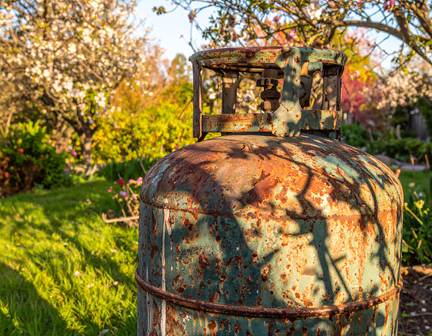
Visible rust or corrosion is a clear sign your propane tank needs to be replaced. The elements can wear down the tank’s coating, causing rust. Always check your tank for rust or corrosion, especially around valves and connections.
Detecting Leaks and Valve Malfunctions
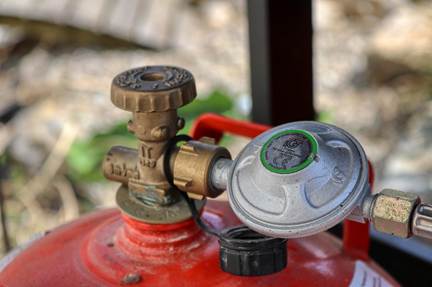
Leaks and valve problems are serious signs your tank might need to be replaced. A leak can cause propane buildup, which is a fire or explosion risk. Look for any signs of leaks or valve issues. If you find a leak, call a professional right away.
Age-Related Performance Decline
Propane tanks, like all equipment, have a lifespan. As they age, they may work less efficiently and pose safety risks. If your tank is old or near its expected lifespan, it might be time for a new one.
Damage from Central PA’s Freeze-Thaw Cycles
Central Pennsylvania’s weather can stress propane tanks due to freeze-thaw cycles. This can cause cracks and damage. Check your tank for damage from these cycles and replace it if needed.
Failed Propane Tank Inspection Points
Regular inspections are key to spotting issues with your propane tank. If an inspection finds major problems like corrosion or leaks, it’s time for a new tank. Always have a certified professional do the inspection.
Being alert to these signs helps you know when to replace your propane tank. This ensures your safety and the efficiency of your heating system. Regular checks and maintenance can also extend your tank’s life. But, if unsure, it’s wise to seek professional advice.
When to Replace Your Propane Tank: Strategic Timing
Replacing your propane tank at the right time is key for efficiency and safety in Central Pennsylvania. The timing depends on seasonal demand, tank condition, and local rules.
Optimal Seasonal Windows for Replacement in Pennsylvania
In Central PA, spring or early fall are the best times to replace a propane tank. The weather is mild, making the process less urgent and possibly cheaper than in winter. This timing helps you get ready for the next heating season.
Propane suppliers often have more availability and better prices during these seasons. This makes it a smart financial move.
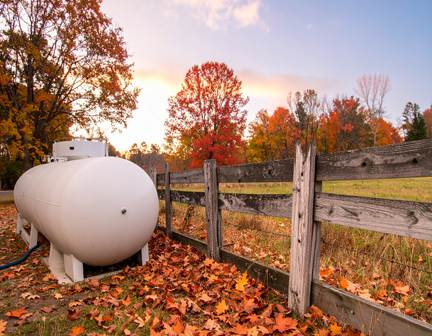
Emergency vs. Planned Replacement Scenarios
Knowing the difference between emergency and planned replacements is important. A planned replacement lets you choose a convenient time, avoiding stress and safety risks. Emergency replacements, however, are urgent and require quick action.
Being aware of signs like rust or leaks can help you act fast. This ensures you find a reliable propane supplier.
Cost Analysis: Repair vs. Replace
When deciding between repair or replacement, cost matters. While repairs might seem cheaper at first, they might not be the best long-term choice. This is especially true if the tank is old or damaged.
A tank inspection can help decide. If the tank is old or damaged, replacing it is safer and more cost-effective.
Coordinating with Central PA Propane Suppliers
Working with local propane suppliers is essential. They offer advice on the best times for replacement, help with inspections, and provide competitive prices. A good supplier ensures you’re ready for any situation, from routine checks to emergencies.
Choosing a supplier that offers full services, including inspections and maintenance tips, keeps your tank in top shape.
Selecting the Ideal Replacement Tank for Your Property
Choosing the right propane tank for your property is important. You need to think about installation type, size, material, and brand. This ensures safety and efficiency.
Above-Ground vs. Underground Installation Options
Deciding between above-ground or underground tanks is a big choice. Above-ground tanks are cheaper and easier to maintain. But underground tanks look better and protect from weather.
Think about your property and local rules when picking. This will help you decide what’s best for your tank replacement in PA.
Size and Capacity Selection Based on Usage Patterns
Choosing the right tank size is key. Your usage patterns will guide you. Big families or lots of appliances need bigger tanks.
Smaller homes or fewer appliances can get by with smaller tanks. Knowing your propane needs helps pick the right size.

Material and Construction Quality Comparison
The tank’s material and build affect its safety and life. Tanks are usually made of steel or composite. Knowing the differences helps you choose wisely.
Steel vs. Composite Tanks
Steel tanks are strong and durable. Composite tanks are lighter and resist corrosion. Steel is common, but composite is better in corrosive areas.
Coating and Protection Features
Look for tanks with protective coatings and features. These help prevent rust and corrosion. Some tanks also have cathodic protection for extra protection.
Top Propane Tank Brands Available in Central Pennsylvania
Many trusted brands offer propane tanks in Central Pennsylvania. Look at Manchester Tank, Worthington, and Luxfer. Researching these brands helps find a reliable tank that fits your needs and follows local rules.
Conclusion: Maximizing Safety and Efficiency with Your New Propane Tank
Knowing how long your propane tank will last is key to keeping your place safe and running smoothly. Weather, the tank’s material, and how much you use it all play a part.
Spotting signs like rust or leaks means you can replace it before it’s too late. Replacing it at the right time, when demand is low and suppliers are available, helps avoid problems.
Choosing the right tank means looking at size, material, and how it’s installed. In Central Pennsylvania, there are many brands to pick from. The right tank and care can make your propane system safer and more efficient.
Keep up with local laws and what the makers say to keep your tank safe and in good working order.