Winter is coming, and Pennsylvania homeowners should prepare for colder temperatures by evaluating their propane usage. Efficient planning helps reduce winter propane costs and ensures your home stays warm all season long. Choosing trusted propane service providers with fair pricing and reliable delivery is essential to staying ahead of the cold.
There are several things that affect how much propane your home uses. These include the size of your home, how well it’s insulated, and how efficient your heating system is. Understanding these factors helps you control your energy costs and make smart choices about heating your home.
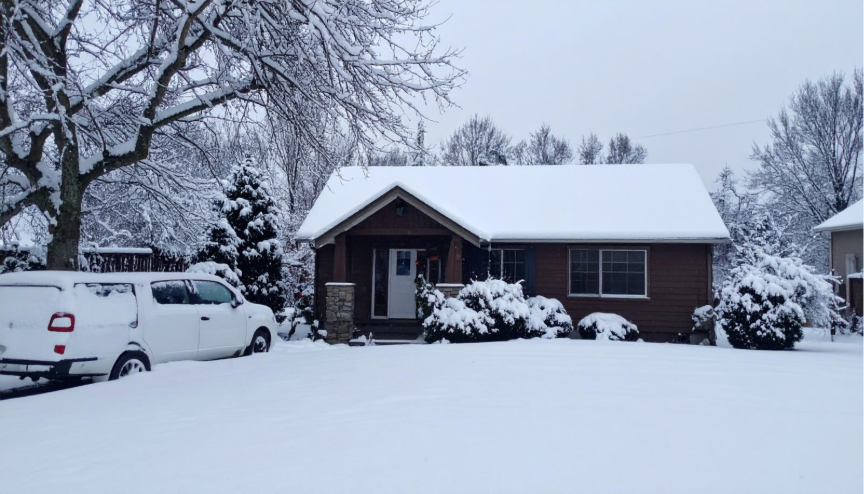
Winter Propane Usage in Pennsylvania: The Basics
Knowing how much propane you use in winter is key for saving money on heating in Pennsylvania. As it gets colder, more propane is needed to keep homes warm. This makes propane a vital resource for heating in the state.
Climate Considerations in Different PA Regions
Pennsylvania’s weather changes a lot from one area to another. This affects how much propane is used. Places with lots of snow and cold need more propane. But, areas with milder winters might use less.
It’s important to know these differences to figure out how much propane you’ll need.
Why Many Pennsylvania Homeowners Choose Propane
Many in Pennsylvania choose propane for its efficiency and reliability. It heats well, even when it’s very cold. Plus, propane systems are better for the environment than some other fuels.
Average Propane Consumption Rates for PA Homes
To plan for winter heating, knowing your home’s propane use is key. The amount of propane your home uses depends on its size, insulation, and heating system. Bigger homes need more propane because they have more space to heat.
Small Homes (Under 1,500 sq ft)
Small homes under 1,500 square feet usually use 400 to 600 gallons of propane in winter. These homes have lower heating needs and consistent propane use, unless it gets very cold. Keeping your home well-insulated and your heating system in good shape can help use less propane.
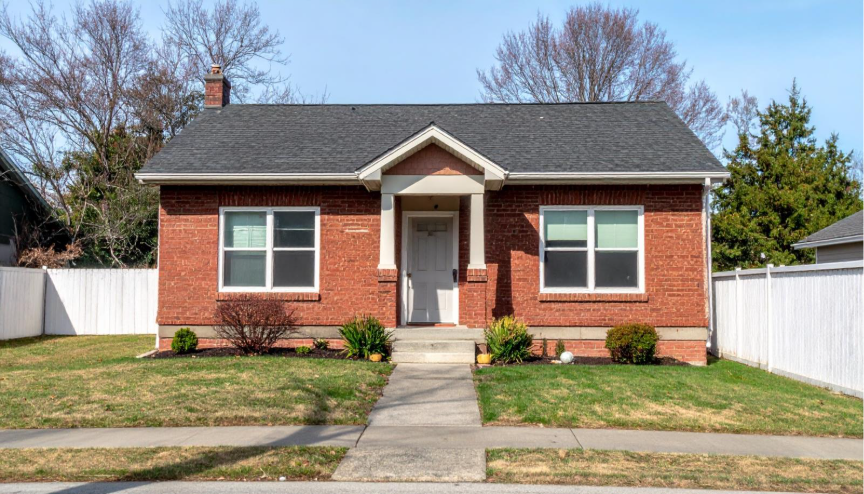
Medium Homes (1,500-2,500 sq ft)
Homes between 1,500 and 2,500 square feet use 600 to 800 gallons of propane in winter. Their larger size and more heating zones mean they use more propane than smaller homes. To save on heating costs, make sure your home is well-insulated and use a programmable thermostat.
Large Homes (Over 2,500 sq ft)
Large homes over 2,500 square feet use the most propane, often over 1,000 gallons in winter. They need more heating because of their size, multiple stories, big windows, and outdoor spaces. Keeping your heating system in good shape and adding weatherization can help lower costs.
Key Factors Affecting Propane Usage in Pennsylvania
Many factors can change how much propane your home in Pennsylvania uses in winter. Knowing these can help you use less energy and save money on propane.
Home Construction and Insulation Quality
Your home’s build and insulation greatly affect propane use. Homes that keep heat better need less propane. Check your attic, walls, and floors for good insulation.
Heating System Efficiency and Age
The efficiency and age of your heating system matter a lot. Older systems use more propane. Keeping your system in good shape and upgrading to a newer one can save a lot.
Household Habits and Temperature Preferences
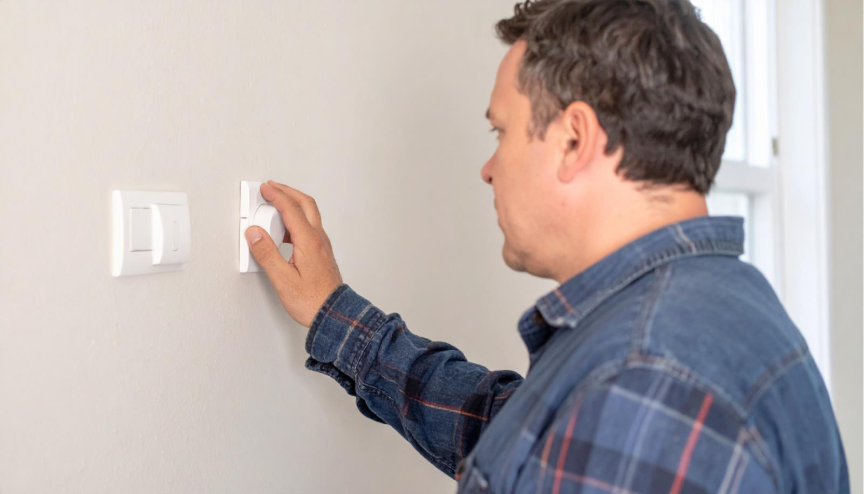
How you live and what temperature you like also affects propane use. Lowering the thermostat when not home or sleeping helps. Using a programmable thermostat can also save energy and money.
Calculating Your Home’s Winter Propane Requirements
To stay warm and save money, figuring out your home’s propane needs for winter is key. This helps you plan your budget and avoid running out of propane when it’s cold.
BTU Requirements Based on Home Size
The size of your home affects how much propane you need. Bigger homes use more energy to stay warm. Here’s how to estimate your BTU needs based on your home’s size.
Simple Calculation Method
To get a basic idea, use 30-40 BTUs per square foot. For a 2,000 square foot home, you’ll need about 60,000 to 80,000 BTUs. But remember, this is just a rough guess and doesn’t consider things like insulation and windows.
Professional Assessment Options
For a more precise estimate, get a professional to do a heat loss analysis. They’ll look at your home’s build, insulation, windows, and more. This gives you a detailed idea of what you’ll need to stay warm.
Propane Consumption Calculator Tools
Using a propane consumption calculator can make your estimate even better. These tools, offered by propane suppliers or online, let you input your home’s details and heating system. This way, you get a more accurate idea of your propane needs.
Winter Propane Costs for Pennsylvania Homeowners
For many Pennsylvania homeowners, winter propane costs are a big worry. As it gets colder, the need for propane goes up. Knowing what affects these costs can help you save money.
Current Price Trends Across PA Counties
Propane prices in Pennsylvania change by county. This is because of supply and demand, transport costs, and local taxes. Right now, prices are a bit higher because of more demand and supply issues. You might pay between $2.50 and $3.50 per gallon, depending on where you live and who you buy from.
Delivery and Service Fee Considerations
Delivery and service fees also add to your costs. These fees can differ a lot between suppliers. Some charge a flat rate, while others base it on distance or volume. It’s key to check these fees when picking a supplier to find the best deal.

Budget Plans and Pre-Buy Options
Many suppliers offer budget plans or pre-buy options to help with costs. These let you set a fixed price per gallon or pay over several months. This way, Pennsylvania homeowners can plan their propane expenses better during winter.
Propane Service Providers in Pennsylvania: A Review
For Pennsylvania homeowners using propane, it’s key to know the different service providers. Many companies operate across the state. It’s important to look at their services, prices, and reliability to make a good choice.
Pricing Structures and Contract Types
Propane suppliers in Pennsylvania have different pricing and contract types. Some offer fixed rates, while others have rates that change with the market. It’s important to understand these to avoid surprise costs. Some suppliers let customers lock in prices ahead of time.
Customer Service Ratings and Reliability
When picking a propane supplier, customer service and reliability are key. Homeowners should check a company’s reputation and read reviews.
Optimizing Your Propane Usage in Pennsylvania
Start by learning how to make your home more energy-efficient. Simple strategies can cut down your propane use and lower bills.
Home Weatherization Strategies
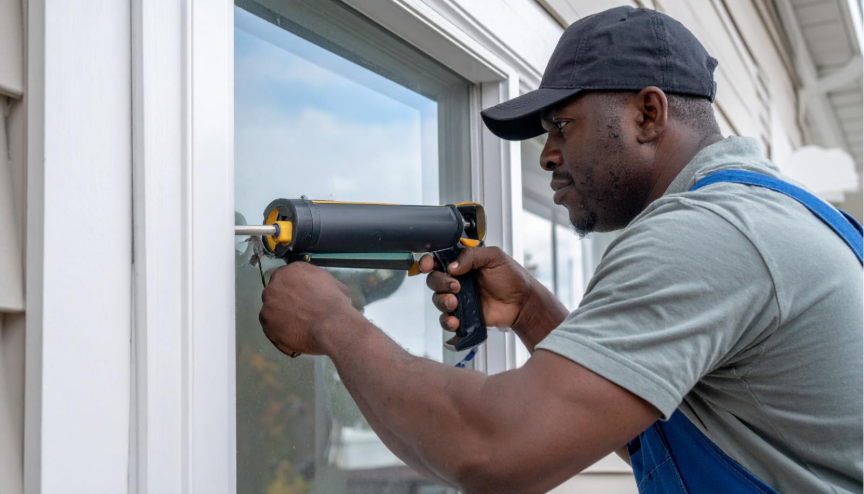
Weatherizing your home is key to less propane use. Seal air leaks around doors, windows, and ducts. Add insulation to keep heat in and reduce heating system work.
Get a professional to do an energy audit. They can find where your home loses heat.
Heating System Maintenance and Upgrades
Keep your propane heating system in top shape. Get annual tune-ups from a skilled technician. This ensures it works well.
Think about getting a newer, more efficient model. It will use less propane and save you money.
Smart Thermostats and Usage Monitoring
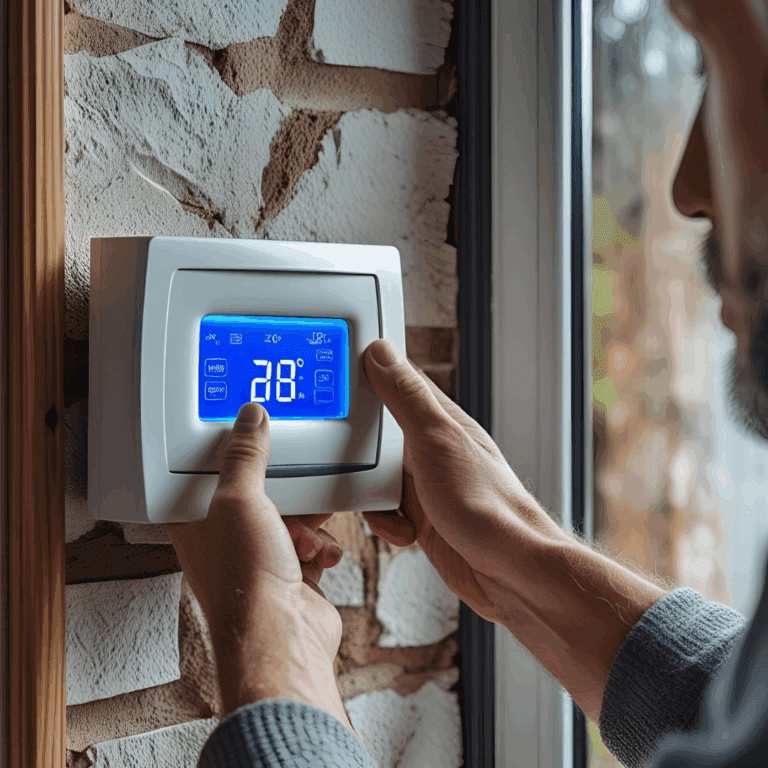
Smart thermostats help you manage your propane use better. They let you change temperatures from anywhere and show your energy use. Some suppliers offer tools to track your usage and find ways to use less.
Conclusion: Managing Your Winter Propane Needs Effectively
Knowing how much propane you use in Pennsylvania during winter is key to saving money. Home size, construction, insulation, and heating system efficiency all matter. They affect how much you’ll pay for propane in the winter.
By figuring out your home’s BTU needs and using calculators, you can guess your propane use better. Making your home more energy-efficient and keeping your heating system in good shape can also save you money. Using smart thermostats is another smart move.
Choosing the right propane service is important too. Knowing their prices and contract options can help you save. As a homeowner in Pennsylvania, being aware of these details can make winter easier and more affordable.
Managing your propane use well can lower your energy bills. It also keeps your home warm and cozy during the cold winter months.