Did you know off-road diesel can save thousands of dollars in fuel costs? The U.S. Energy Information Administration says it’s a cost-effective choice for equipment owners. It’s more efficient than traditional fuels and you can check this out in our complete guide.
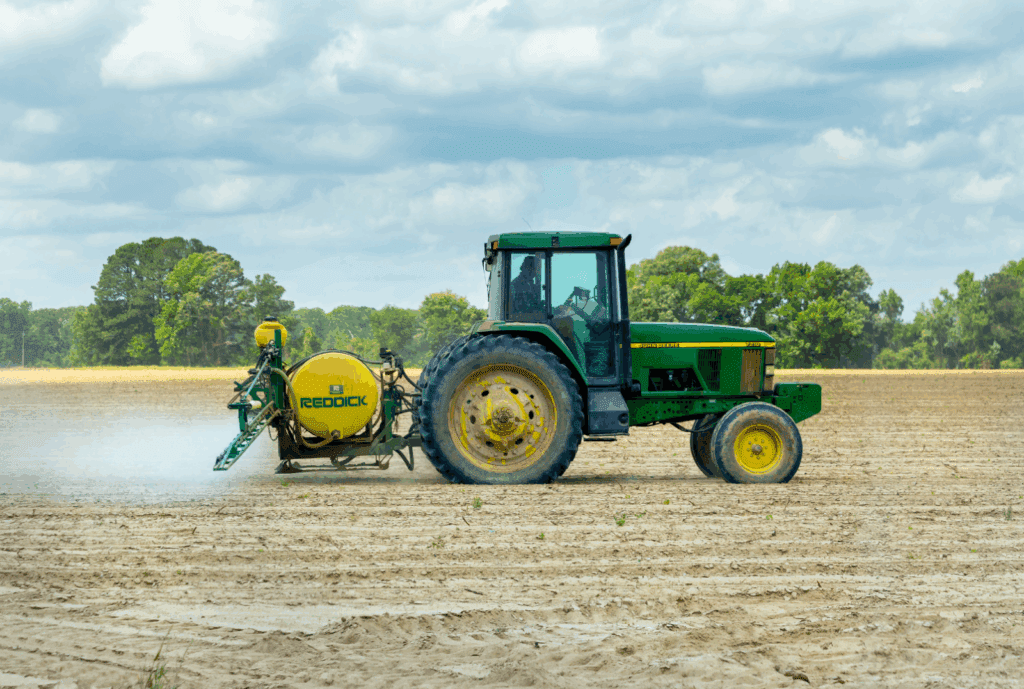
Off-road diesel, also known as red diesel or gas oil, is for heavy equipment and machinery. It’s not for cars but is key for tractors, generators, and construction machinery.
It’s often cheaper than other fuels, making it a good choice for owners. But, knowing the rules about its use is crucial. In the U.S., there are specific rules and exemptions for off-road diesel.
For equipment owners, knowing off-road diesel’s benefits and limits is important. Choosing the right fuel can improve performance, cut costs, and follow the law.
What Is Off-Road Diesel and Why It Matters
Off-road diesel, also known as dyed diesel or red diesel, is used for off-highway activities. It’s for heavy equipment like construction machinery, agricultural machinery, and industrial generators. These machines are not meant for driving on roads.
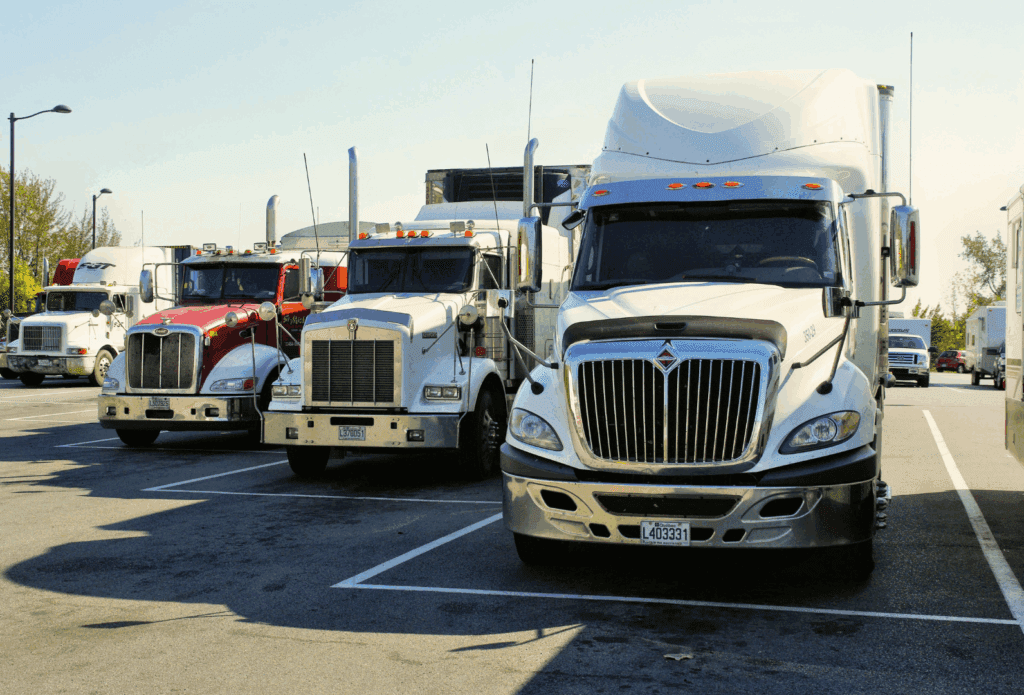
Off-road diesel and on-road diesel differ in use and rules. Off-road diesel is for heavy equipment and off-highway uses. On-road diesel is for vehicles allowed on roads.
Defining Off-Road Diesel Fuel
Off-road diesel is a special fuel dyed red. The red dye shows it’s not for on-road vehicles.
Key Differences Between Off-Road and On-Road Diesel
The main difference is in their use and rules. Off-road diesel is for heavy equipment and off-highway uses. On-road diesel is for vehicles allowed on roads.
The Red Dye Significance
The red dye in off-road diesel is key. It shows the fuel is for off-highway use only.
Benefits of Using Off-Road Diesel for Heavy Equipment
Off-road diesel brings many benefits to heavy equipment use. It offers cost savings, better performance, and tax benefits for business owners.
Cost Advantages Over Standard Diesel
Using off-road diesel can save a lot of money. This is mainly because it’s tax-free.
Performance Benefits for Equipment
Off-road diesel is made for heavy-duty use. It makes engines run better and cuts down on maintenance costs.
Tax Implications for Business Owners
Businesses using off-road diesel can save a lot on taxes. But, they must follow all rules and regulations about its use.
Essential Equipment Compatible with Off-Road Diesel
Off-road diesel is a special fuel for heavy equipment. It’s used in construction, agriculture, and industry. Knowing which equipment uses off-road diesel is key for owners and operators.
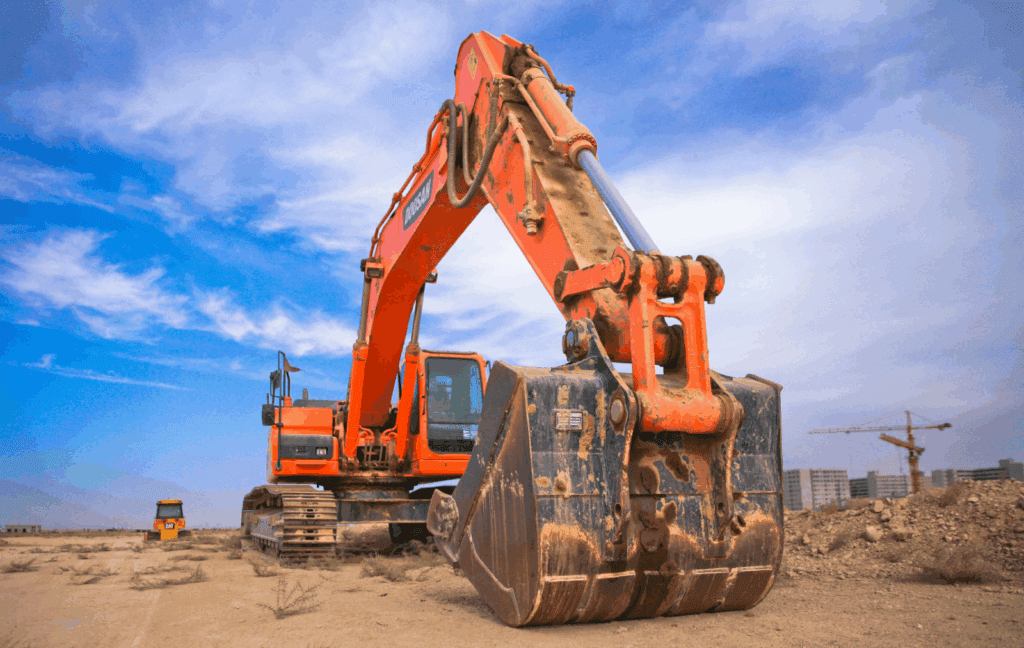
Construction Equipment
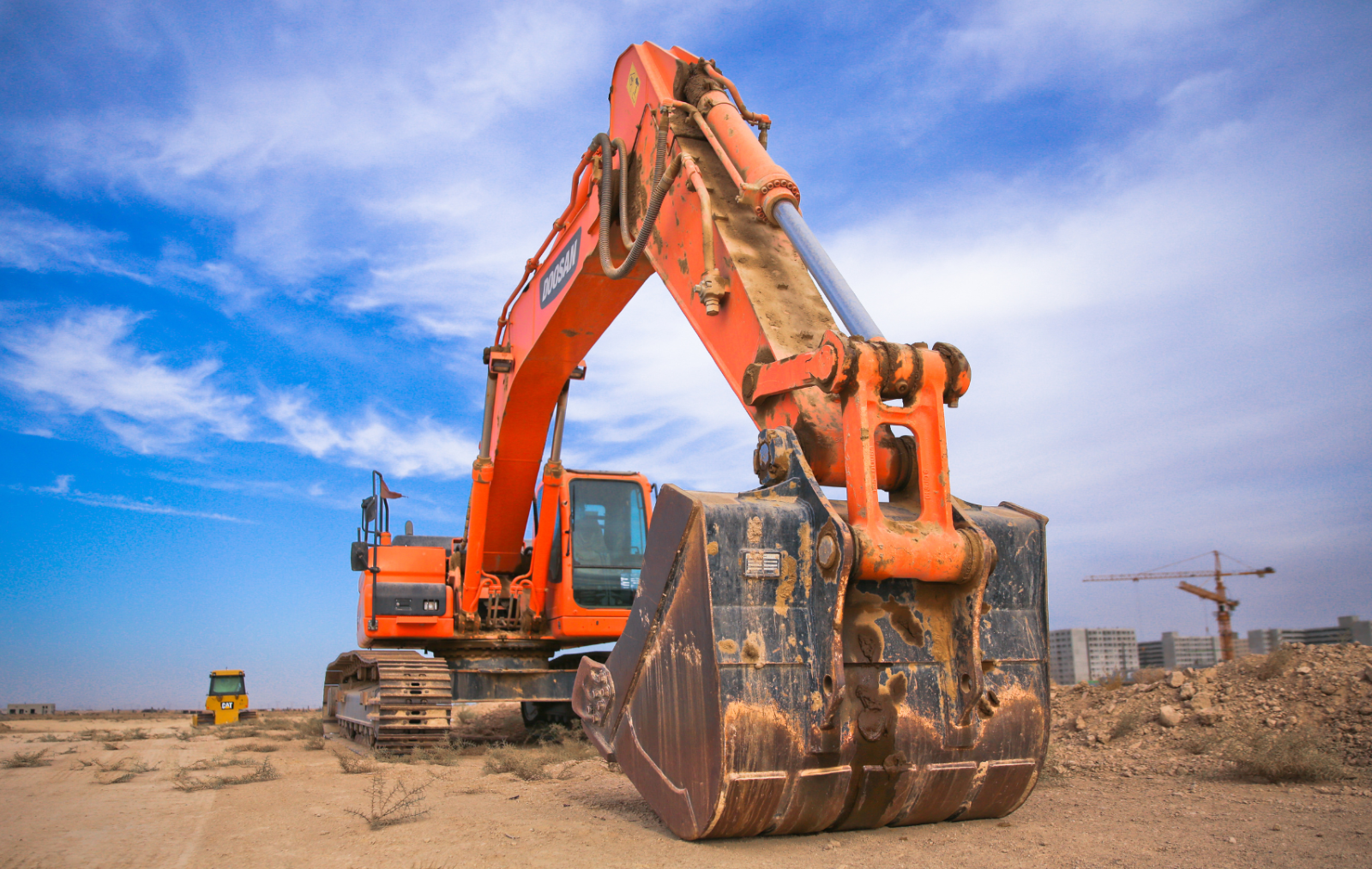
Construction equipment uses a lot of off-road diesel. This includes excavators, backhoes, bulldozers, and cranes. These machines help prepare sites, dig, and move materials on construction sites.
Agricultural Machinery
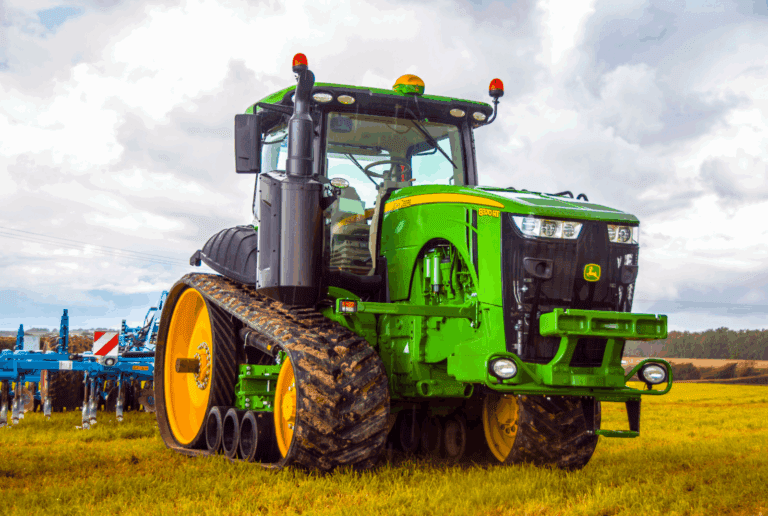
Agricultural machinery also relies on off-road diesel. Tractors, combines, and other farm tools need this fuel. It’s vital for farming and growing crops, helping farmers work efficiently.
Industrial Generators and Pumps
Industrial generators and pumps use off-road diesel too. Generators power remote areas, and pumps move fluids in industrial settings. The quality and availability of off-road diesel are crucial for their work.
Seasonal Equipment Considerations
Seasons affect how equipment using off-road diesel works. Weather, temperature, and demand change with the seasons. For example, cold weather can change diesel fuel’s viscosity, and extreme temperatures can impact engine performance.
Knowing which equipment uses off-road diesel and how seasons affect it helps make better fuel and maintenance choices. This knowledge is vital for keeping heavy equipment running well in different industries.
How to Purchase Off-Road Diesel
Buying off-road diesel for your equipment is easy if you know the steps. We’ll show you how to buy off-road diesel. This includes finding good suppliers, checking fuel quality, and understanding delivery and pricing.
Finding Reputable Bulk Fuel Suppliers in Central Pennsylvania
Finding a reliable bulk fuel supplier in Central Pennsylvania is key. Start by looking online for suppliers in your area. Choose ones that are licensed and have a good reputation.
Evaluating Fuel Quality Standards
The quality of off-road diesel is important for your equipment’s performance and life. Make sure the supplier meets the fuel quality standards. Look for ultra-low sulfur diesel fuel that meets or exceeds regulatory standards.
Delivery Options and Scheduling
After picking a supplier, think about your delivery needs. Many suppliers offer flexible schedules. Some can deliver the same day or next day, while others need more time.
Price Factors and Negotiation Tips
Several things can affect the price of off-road diesel. These include how much you buy, the fuel quality, and taxes or discounts. Suppliers might offer discounts for big orders or loyalty programs. Always try to negotiate the price, especially for large orders.
Off-Road Diesel in Lancaster County: Local Resources
Lancaster County is a hub for equipment owners who use off-road diesel. We’ve gathered info on top suppliers, price comparisons, and local rules.
Top Suppliers in Lancaster County
Several trusted suppliers in Lancaster County sell off-road diesel. These include:
- Bulk Fuel Suppliers: Companies like Central Penn Propane offer bulk off-road diesel to local equipment owners.
- Specialized Distributors: Some distributors focus on off-road diesel for industries like construction and agriculture.
Regional Price Comparisons
Off-road diesel prices change based on supplier, location, and season. Here are some trends and tips for comparing prices:
- Price Variations: Prices can shift due to seasonal demand, global trends, and supply chain issues.
Local Regulations and Requirements
Equipment owners must follow local rules for off-road diesel. These include:
- Tax Exemptions: Off-road diesel is tax-exempt, but suppliers must report sales and pay taxes.
- Storage and Handling: Suppliers and users must follow specific guidelines for storing and handling off-road diesel.
Community Resources for Equipment Owners
Equipment owners in Lancaster County have access to various resources. These include:
- Local Trade Associations: Groups like the Lancaster County Equipment Owners Association offer support and resources.
- Government Websites: Official sites like the Pennsylvania Department of Revenue and the IRS provide tax and regulation info on off-road diesel.
Knowing the local resources in Lancaster County helps equipment owners make smart choices. They can find the best off-road diesel and follow local rules.
Proper Storage and Handling of Off-Road Diesel
Storage Tank Requirements
Off-road diesel needs special storage tanks to keep it safe and good quality. These tanks must prevent fuel from getting contaminated or spoiled. They are usually made of steel or other materials that don’t rust easily.
When picking a tank, think about its material, size, and design. It should be made to avoid contamination and keep the fuel stable over time.
Temperature and Environmental Considerations
Temperature and the environment are key when storing off-road diesel. Extreme temperatures can harm the fuel’s quality. It’s best to store it in a cool, dry, and well-ventilated place, away from sunlight and moisture.
To handle temperature changes well, consider these tips:
1. Keep the fuel in a shaded area or a climate-controlled spot to protect it from direct sunlight and extreme temperatures.
2. Make sure the tank is well-insulated to keep the fuel at a stable temperature.
3. Check the tank and area regularly for moisture or water.
Safety Protocols for Handling
When handling off-road diesel, it’s important to follow safety rules to avoid accidents and injuries. Here’s how to do it safely:
1. Always wear protective gear like gloves and safety glasses to avoid skin contact with the fuel.
2. Use a fuel pump or equipment made for diesel, and follow the instructions carefully.
3. Keep the storage tank and area clean and free from hazards or obstacles.
Preventing Contamination and Degradation
To stop off-road diesel from getting contaminated or spoiled, keep everything clean and follow proper handling and storage. Here are some tips:
1. Check the tank and fuel regularly for signs of contamination or spoilage.
2. Keep the tank and area clean and free from debris.
3. Use fuel filters or equipment to remove contaminants and impurities from the fuel.
By following these guidelines and considering the specific needs for storing and handling off-road diesel, you can ensure the fuel’s quality and safety. This also helps prevent accidents and environmental hazards.

Troubleshooting Common Off-Road Diesel Equipment Issues
Off-road diesel fuel is key for heavy equipment owners. It offers cost savings, better performance, and tax benefits. Yet, it also has its own set of challenges. We’ll cover common issues and offer tips to solve them.
Cold Weather Starting Problems
Starting heavy equipment in cold weather can be tough with off-road diesel. The fuel can gel or wax, making it hard to start. Knowing how off-road diesel works and taking precautions is crucial.
Fuel System Maintenance
Keeping your fuel system in good shape is vital. This means checking and replacing fuel filters, inspecting fuel lines, and cleaning or replacing fuel injectors. Skipping these steps can harm performance and lead to equipment failure.
Addressing Poor Performance
Poor equipment performance needs quick attention. Issues like clogged filters, faulty injectors, or wrong fuel-to-air ratio can cause problems. Fixing these issues can get your equipment running smoothly again.
When to Call a Professional
Some problems need a pro’s touch. If you’re not sure how to fix an issue or if your equipment keeps having problems, get help from a mechanic.
Understanding and fixing these common issues helps your equipment run well. Regular maintenance and proper handling practices are key. This way, you get the most out of off-road diesel and keep your equipment in top shape.
For more on off-road diesel and equipment care, check out the relevant sections of this guide. Also, don’t hesitate to ask industry experts for advice.
Conclusion: Maximizing Your Off-Road Diesel Investment
Understanding off-road diesel is key for equipment owners in Central Pennsylvania, especially in Lancaster County. Choosing the right fuel boosts your investment, improves performance, and meets local rules.
Off-road diesel has many benefits. It’s cheaper, improves your equipment’s performance, and has tax benefits for businesses. When buying, look for trusted bulk fuel suppliers. Check the fuel’s quality and the delivery options.
Storing and handling off-road diesel right is also crucial. Follow storage tank rules, think about temperature and environment, and keep it safe. This prevents contamination and damage.
By knowing these points, you can make smart choices about off-road diesel. This helps solve common problems and makes the most of your investment.
Following these tips ensures a strong conclusion. It wraps up the article’s main points, engages readers, and highlights the importance of using off-road diesel wisely.Proper Storage and Handling of Off-Road Diesel