Did you know that a properly maintained propane tank is essential for staying warm during Pennsylvania’s harsh winters? Following a winter propane checklist ensures your system runs efficiently, while implementing propane safety tips helps protect your home and family from costly repairs or dangerous accidents. Preparing your tank ahead of the cold season keeps your appliances running and your home safe all winter long.
Not preparing can lead to expensive fixes, service stops, or safety risks. A well-kept propane tank is vital for keeping homes warm and appliances running during winter.
This article will walk you through a detailed winter propane checklist. It will help you get ready for the cold weather.
Understanding Pennsylvania’s Winter Challenges for Propane Users
It’s key for Pennsylvanians to know how winter affects their propane systems. This knowledge helps keep homes warm and safe during the cold season. The state’s varied climate changes how propane systems work in winter.
Typical Winter Conditions in Pennsylvania Regions
Pennsylvania sees different winter weather, from mild in the southeast to very cold in the mountains. The state’s geography means weather can change a lot. This affects how winter weather impacts propane systems.
How Freezing Temperatures Affect Propane Systems
Freezing weather can make propane systems fail or work less well. Moisture in the system can freeze, and cold can harm the propane. This can cause problems with the regulator, valves, and other important parts.
Why Winter Preparation Matters in the Keystone State
Getting your propane tank ready for winter is very important in Pennsylvania. Harsh weather can damage systems. But, with the right prep, you can avoid failures, stay safe, and keep your system efficient all winter.
Essential Safety Measures Before Winter Arrives
Before winter hits, Pennsylvanians should focus on propane tank safety. This can help avoid accidents and keep your home warm.
Scheduling Professional Pre-Winter Inspections
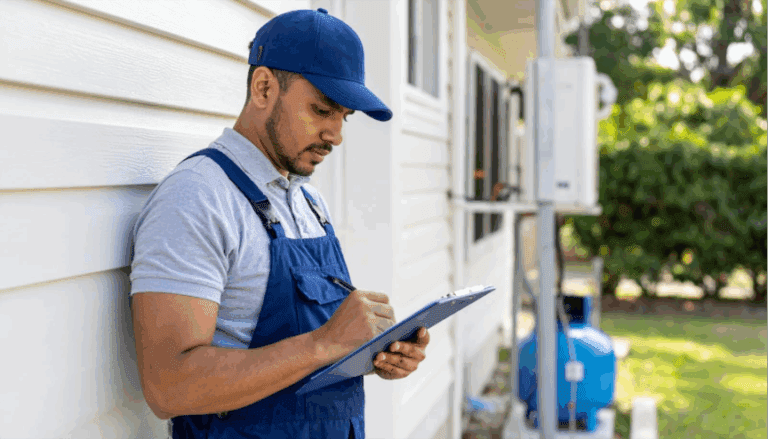
It’s wise to get a professional to check your propane tank and system before winter. They can spot problems, do needed maintenance, and make sure everything works right.
Checking for Leaks and Damage
Look over your propane tank and lines for leaks or damage. Watch for rust, dents, or wear. If you find a leak, turn off the main valve and call a pro.
Ensuring Proper Tank Placement
It’s important to place your propane tank correctly. Make sure it follows the manufacturer’s rules and local laws.
Required Distances from Buildings
Your propane tank should be far from buildings like your home and garage. Check local rules for how far it should be to stay safe.
Protection from Snow Buildup and Ice
Position your propane tank to avoid snow and ice buildup. This helps prevent damage and keeps the tank working well.
Installing Carbon Monoxide Detectors
Carbon monoxide detectors can warn you of leaks early. They help keep you and your family safe. Put them near where you sleep and on every floor.
By taking these steps, you can make sure your winter is safe and warm. Being prepared is the best way to avoid dangers from propane tanks in the cold months.
How to Prepare Your Propane Tank for Winter Conditions
Preparing your propane tank for winter is crucial for a warm home. As it gets colder, your tank is key to keeping your home cozy. It’s important to prepare it right to avoid dangers and keep propane flowing all winter.
Maintaining Adequate Propane Levels (The 80% Rule)
Keeping your tank at least 80% full is vital in winter. This “80% rule” stops the tank from running out too soon. It also makes sure you have enough fuel for long cold spells.
Stick to the 80% rule by checking your propane levels often. Set up automatic delivery or schedule checks with your supplier to refill on time.
Clearing Snow and Ice Safely
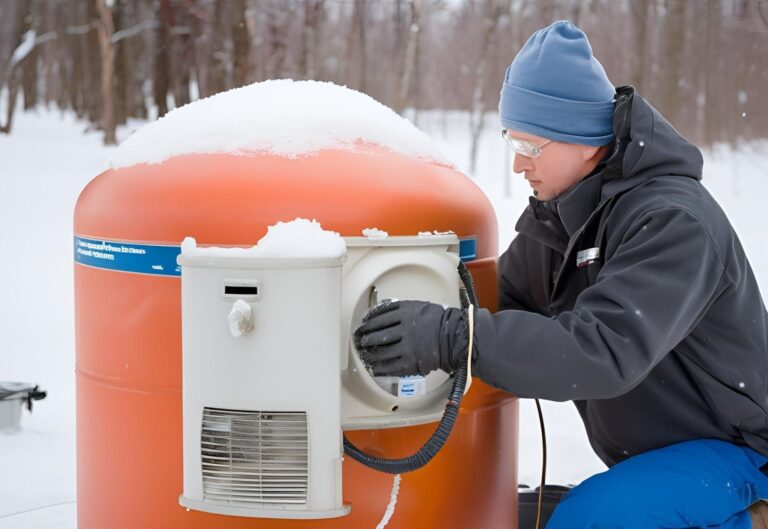
Heavy snow is common in Pennsylvania winters. Clearing snow around your tank is key for safety. Use a snow blower or plastic shovel to avoid damaging the tank.
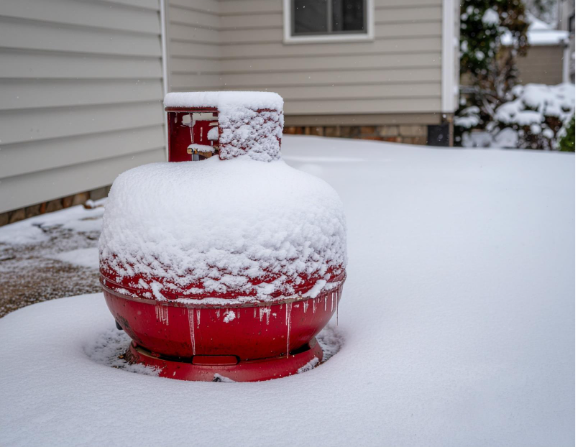
Don’t pile snow on or against the tank. It can damage the tank or block valves and regulators.
Insulating Exposed Pipes and Regulators
Exposed pipes and regulators can freeze in cold weather. Insulating them keeps your propane flowing. Use foam or heat tape to protect pipes from freezing.
Insulating your propane regulator also helps. It keeps it working well in cold. This simple step ensures a steady propane supply to your home.
Marking Your Tank Location
After snow, your tank might be hard to find. Mark its location clearly to keep it accessible. Use a visible marker or flag to show where it is.
Installing Propane Tank Heaters When Necessary
In very cold weather, propane tank heaters are a good idea. They keep the propane inside the tank warm. If you live in very cold areas, talk to your supplier about getting a heater.
By following these steps, your propane tank will be ready for Pennsylvania’s winter. This keeps your home safe and warm all winter long.
Cost-Effective Winter Propane Management in Pennsylvania
As winter comes to Pennsylvania, it’s key to manage propane costs. This helps save money and keeps your system safe and efficient. It’s important for a warm winter.
Budget Planning for Winter Propane Usage
Start by planning your winter propane budget. Estimate your propane needs based on past use and any changes. This includes heating needs and propane prices.
Keep a record of your propane use to estimate better. Talk to your supplier for insights on winter usage and prices.
Pre-Winter Fill-Up Advantages
Filling your tank before winter has many benefits. It ensures you have enough propane for the cold months. It also helps avoid price increases during peak demand.
Having a full tank prevents frozen or nearly empty tank issues. These can be big problems in harsh winter weather.
Pennsylvania Assistance Programs for Heating Costs
Pennsylvania has programs to help with heating costs. LIHEAP (Low-Income Home Energy Assistance Program) helps low-income families. It covers propane costs during winter.
Check if you or someone you know qualifies for these programs. It’s important to know the eligibility criteria.
Long-Term Maintenance to Prevent Costly Repairs
Regular maintenance is key to avoid expensive repairs. Schedule annual checks, look for leaks, and fix issues quickly. This keeps your system running well.
Investing in maintenance saves money on repairs and replacements. It also makes your propane tank last longer.
Preparing Your Propane Tank for a Pennsylvania Winter
Winter is coming to Pennsylvania, and it’s time to get your propane tank ready. This means scheduling professional checks, keeping enough propane, and protecting your tank from the weather. These steps are key to safe and efficient heating.
By following these tips, you can prevent problems and save money on repairs. This way, your propane system will work well all winter long.
Don’t let the cold weather catch you off guard. With some planning and upkeep, you can have a warm and safe winter.